Skip to content
This is the print view of the Parent Handbook. Use your browser's Print → Save as PDF (Cmd/Ctrl+P) to download it.
Cosmos Primary School logo

Cosmos Primary Parent Handbook 2026-27

Cosmos Primary School · 17-89/1, Pendurthi, Visakhapatnam, Andhra Pradesh 531173

Version 1.0 · Effective 1 Jun 2025 · Last updated 27 Dec 2025 · Next review 1 Jun 2026

Key contacts

School Office: school@cosmosprimary.com

Principal (Academics): principalacademics@cosmosprimary.com

Principal (Administration): principaladmin@cosmosprimary.com

Chapter 1

Welcome & Quick Reference

The essentials parents need first.

In this chapter

  • 1.1Welcome to Cosmos Primary
  • 1.2Key Contacts
  • 1.3School Hours at a Glance
1.1

Welcome to Cosmos Primary

Welcome to our primary school! We are delighted to have you and your child as part of our community. This handbook is designed to provide you with important information about our school’s policies, procedures, and programs. Please take some time to familiarize yourself with the contents of this handbook and use it as a resource throughout the school year.

A living document

We take inputs and feedback from parent representatives during Nurture Parent Club meetings to improve the format and content of this handbook, within the purview of current school policies. You may notice regular additions and changes throughout the academic year — any policy changes that affect this handbook will be communicated to parents as decisions are taken.

1.2

Key Contacts

Reach us quickly

  • School Office: Phone: 7822 999 999 · Land line: 0891 3567998 · school@cosmosprimary.com
  • Principal (Academics): Mrs. Swathi Yenugudhati · 7569947765 · principalacademics@cosmosprimary.com
  • Principal (Administration): Mrs. Tejaswi Dwibhashyam · 9347549494 · principaladmin@cosmosprimary.com
  • Finance Team: Mrs. Aruna Pentakota · 8688498818 · finance@cosmosprimary.com
  • Operations Team: Mr. Bhaskar Saragadam · 9848854999 · operations@cosmosprimary.com
1.3

School Hours at a Glance

School day

8:30 AM – 3:00 PM · Monday to Friday

Early Years dismissal

3:05 PM

KS1 dismissal

3:10 PM

KS2 dismissal

3:15 PM

After-school interventions

Until 4:00 PM · When scheduled

Infirmary hours

8:00 AM – 4:00 PM · During school hours

Important links

  • School website
  • School calendars — see School Information
  • Communication methods — see Parent Partnership
  • Fee payments — see Fees & Policies

Chapter 2

About Us

Philosophy, vision, mission, values, song, and pledge.

In this chapter

  • 2.1Our Philosophy
  • 2.2Our Vision
  • 2.3Our Mission
  • 2.4Our Values — I.O.T.R.I.D.A
  • 2.5School Song
  • 2.6School Pledge
2.1

Our Philosophy

“Life is Learning”
2.2

Our Vision

Cosmos Primary empowers students in a happy, safe, and stimulating environment to help them achieve their true potential in all their endeavours and foster a lifelong love of learning.
2.3

Our Mission

Cosmos Primary aims to create a well-structured student-centred learning environment with collaborative efforts by the management, teachers, parents and the students themselves.

The following principles guide the school community’s efforts to create a positive and thriving school culture.

Learner-Centred Education

Educators use evidence-based pedagogical practices to collaborate with students in ways that allow for student choice, self-discipline and autonomy. The student is central to the learning process, while the teacher plays multiple roles as guide, mentor, counsellor and facilitator.

Teachers’ Professional Capacity & Leadership

Teachers are supported with access to resources, information and expertise for self-directed professional development, and encouraged to assume roles of leadership within and beyond the school community.

Strong School Leadership

School leadership inculcates a culture of shared goals and collective effort — leading is not restricted to formal positions but distributed across the whole school community, including teachers, students and parents.

Strong Ethical & Trusting Relationships

The whole school community fosters relationships of transparency, cooperation and trust — between management and educators, educators and students, and school and parents — with a common sense of responsibility for student achievement and school improvement.

2.4

Our Values — I.O.T.R.I.D.A

At Cosmos Primary, we strive to nurture an ethos characterized by a culture of integrity, openness, trust, respect, inquiry, dialogue and appreciation in which all members of the school community understand and believe that “Life is Learning”.
  • Integrity

    We are committed to cultivating ethical character and moral behavior by being honest, truthful, and compassionate in our actions and interactions.

  • Openness

    We foster imaginative and intellectually creative minds by encouraging openness to new ideas and embracing diverse perspectives.

  • Trust

    We promote transparency in our actions to build trust within our community, fostering collaboration and empowering everyone to flourish.

  • Respect

    We uphold the principle of equality and treat everyone with dignity, acknowledging and valuing the unique qualities each individual brings to our community.

  • Inquiry

    We engage in active learning, promoting a culture of curiosity and seeking answers through research, exploration, and discovery.

  • Dialogue

    We encourage open conversations that build on knowledge, learning, and effective communication, facilitating meaningful connections within our community.

  • Appreciation

    We recognize and acknowledge individual contributions, fostering an environment of gratitude, self-esteem, and positive relationships among our students, staff, and parents.

2.5

School Song

Verse 1

Gathered here, young minds unite,

Cosmos shines so wondrous bright.

In our quest for knowledge, we soar,

Life is learning, that’s our core.

Chorus

Cosmos Primary, we stand tall,

Together we shall never fall.

Empowered in our hearts and minds,

A love for learning, here we find.

Verse 2

In these halls, our dreams ignite,

Nurturing the future, shining light.

With trust, respect, and hearts ablaze,

We foster growth in countless ways.

Bridge

Integrity, our guiding star,

Openness, it takes us far.

Inquiry, dialogue, we share,

Appreciation everywhere.

Verse 3

Within our hearts, potential grows,

As every challenge only shows,

The strength we gain, the wisdom too,

Cosmos Primary, we’ll pursue.

Outro

So let us raise our voices high,

Cosmos Primary, touch the sky.

Our journey’s just begun, you’ll see,

Life is learning, feel proud and free.

2.6

School Pledge

The School Pledge is a powerful expression of the school’s commitment to fostering positive behaviours and values. It is based on the S.T.A.R Expectations, encouraging students to strive for excellence, take responsibility for their actions, work together collaboratively, and show respect for themselves, others, and the world around them.

Abridged version

We are Cosmos Primary’s shining STARs,

Striving to do our best, to reach afar

Taking responsibility, for our words and deeds

Always working together, in unity and peace

Respecting ourselves, others, and the world around.

To create a future that is kind and profound.

Extended version

We promise to strive to do our best,

In every challenge and every test,

To learn and grow, each day anew,

With dedication and passion, we’ll pursue.

We take responsibility for our deeds,

In words and actions, sowing seeds,

To grow and nurture a better world,

Where kindness, respect, and love unfold.

We vow to always work together,

In harmony, through stormy weather,

United, we stand, hand in hand,

A caring, supportive, learning clan.

We pledge to respect ourselves, others, and the world around,

For in this respect, true wisdom springs,

Valuing all, with respect we stand,

Creating a future that’s beautiful and grand.

Guided by values that nurture,

Together, we’ll shape a brighter future.

With this pledge, we embrace our role,

In Cosmos Primary, heart and soul.

Chapter 3

School Information

Campus, contacts, the school day, calendars, and transport.

In this chapter

  • 3.1Contact Information
  • 3.2Infirmary & Medicines
  • 3.3School Hours & the Daily Rhythm
  • 3.4Our Block Schedule (2026-27)
  • 3.5School Calendars
  • 3.6School Transport
3.1

Contact Information

School address

17-89/1, Pendurthi, Visakhapatnam, Andhra Pradesh 531173

Phone numbers

Main: 7822 999 999 · Land line: 0891 3567998

Online

Email: school@cosmosprimary.com · Website: www.cosmosprimary.com

Key contacts

RoleNameContact
Principal (Academics)Mrs. Swathi Yenugudhati7569947765 · principalacademics@cosmosprimary.com
Principal (Administration)Mrs. Tejaswi Dwibhashyam9347549494 · principaladmin@cosmosprimary.com
Culture & Climate LeadMrs. Tejaswi Giddiculturelead@cosmosprimary.com
Teaching & Learning Interventions LeadMrs. Vineela Digumarthiinterventionslead@cosmosprimary.com
Early Years LeadMrs. Yamini Penumatsaearlyyears@cosmosprimary.com
Key Stage One LeadMrs. Swetha Saragadamkeystageone@cosmosprimary.com
Lower Key Stage Two LeadMrs. Udayasri Karrilowerkeystagetwo@cosmosprimary.com
Finance TeamMrs. Aruna Pentakota8688498818 · finance@cosmosprimary.com
Operations TeamMr. Bhaskar Saragadam9848854999 · operations@cosmosprimary.com
3.2

Infirmary & Medicines

Infirmary (School Medical Room)

Open during school hours, 8:00 AM – 4:00 PM.

When your child is unwell at school

  • The school will provide immediate first aid and basic care.
  • If a child needs to go home or requires medical attention, the school will call the parent/guardian using the registered contact numbers.
  • In emergencies, the school may arrange urgent medical care first and inform parents immediately.

Medicine deposit & administration

When a child needs medication during school hours (e.g., allergies, asthma, fever medicine as advised), parents may deposit the medicine with the school for safe storage and supervised administration.

Medicine deposit (by parent/guardian)

Deposit the medicine in the original labelled container with dosage instructions.

Medical register entry (Front Office)

Submit the medicine details at the Front Office for the school medical register — child’s name and class, medicine name, dosage and timing, duration, and any special instructions or allergies.

If your child uses school bus/auto transport

  • Medicine must be in the original labelled container with the child’s name and dosage instructions.
  • Submit a signed medicine authorization note/form with the child’s name and class, medicine name, dosage and timing, duration (start and end dates), and any special instructions or allergy information.
  • Medicines without clear instructions or labelling will not be administered.

If you drop off your child yourself

Complete the medical support register with all the required details while dropping off your child.

Collection & expiry

  • Collect any remaining medicine at the end of the stated period.
  • Expired medicines will be disposed of safely if not collected in time.
3.3

School Hours & the Daily Rhythm

School hours are Monday to Friday, 8:30 AM to 3:00 PM (after-school interventions and sessions run until 4:00 PM).

Daily timings by year group
Early YearsKey Stage OneKey Stage Two
Arrival8:308:308:30
Morning break10:00–10:2010:10–10:3010:10–10:30
Lunch break12:00–12:5012:30–1:0512:30–1:05
End of teaching day3:003:003:00
Dispersal time3:053:103:15
Interventions & after-school sessions3:10–4:003:15–4:00
3.4

Our Block Schedule (2026-27)

From 2026-27, Cosmos Primary is moving from a day made up of many short periods to a small number of longer learning blocks. Related subjects and programmes are grouped together so children settle once and learn deeply, with fewer interruptions through the day.

Morning Meeting

Daily routines, A.I.M. for the S.T.A.R.s, and a social-emotional check-in.

Literacy Block

R.E.A.D, English Core, Write Right, and S.P.E.A.K taught together.

Numeracy Block

Maths Core and M.A.S.T.E.R taught together.

Discovery Block

Science, Social Studies / Global Perspectives, Computing, and Learnarium (on rotation).

Languages Block

Hindi or Telugu.

Enrichment Block

C.R.E.A.T.E. (Music, Arts, Dance, Theatre) and MOVE (P.E.), on rotation.

Closing Circle

Reflection and Read Aloud.

Why we use blocks

  • Deeper learning: longer, uninterrupted time lets children explore, practise, and master ideas instead of just getting started before a bell rings.
  • Fewer transitions: switching between 8–9 short periods a day wastes time and unsettles children. Blocks roughly halve daily transitions, recapturing meaningful learning time across the year.
  • Calmer days: fewer changes of subject, teacher, and room mean less rushing and a more settled classroom.
  • Built-in brain breaks: longer blocks include short movement and mindfulness breaks, matched to your child’s age, to keep focus high.

Homeroom Teachers in Early Years & Key Stage 1

For our youngest learners, one Homeroom Teacher stays with the class and teaches both the Literacy and Numeracy blocks. This gives young children a consistent, trusted adult, smoother transitions, and a teacher who truly understands the whole child. Specialist teachers still lead Languages, C.R.E.A.T.E., MOVE, and Computing. Key Stage 2 continues to learn with subject specialists.

A sample Key Stage 2 day
TimeBlockWhat’s included
8:30–8:45🌅 Morning MeetingRoutines, A.I.M., SEL check-in
8:45–10:15📚 Literacy BlockR.E.A.D → English Core → Write Right / S.P.E.A.K
10:15–10:35☕ Break
10:35–11:50➕ Numeracy BlockMaths Core → M.A.S.T.E.R
11:50–12:30🌍 Discovery BlockScience / Social Studies / Computing / Learnarium
12:30–1:10🍽️ Lunch
1:10–2:00🇮🇳 Languages BlockHindi or Telugu
2:00–2:50✨ Enrichment BlockC.R.E.A.T.E. / MOVE / Computing / Arts (rotating)
2:50–3:00🌇 Closing CircleReflection, Read Aloud

Explore a day at Cosmos

The interactive day-at-Cosmos explorer (with per-year-group schedules) is available in the online handbook at www.cosmosprimary.com/primary/parents/handbook.

Please note

Block lengths are adapted by age — shorter for younger children with more frequent brain breaks, longer for older children. All Cambridge subject-time requirements continue to be met; blocks simply organise the day more effectively. Exact timings vary slightly by year group and will be shared by your child’s class teacher.

3.5

School Calendars

The school calendar includes important dates such as holidays, special days, assessment schedules and parent-teacher conference days. The calendar is shared with parents/guardians at the beginning of the school year. Our calendars are organised into four categories:

Cosmos Annual Calendar

A comprehensive guide to the academic year — term start and end dates, scheduled holidays, and vacation periods, for the entire school community.

Traditions, Celebrations & Ceremonies

All whole-school traditions, ceremonies, and assemblies — from the Back to School Assembly to Learning Parades and Literacy, Math and Science weeks.

Awareness & Advocacy Days

Dates dedicated to social, environmental, and health-related causes — World Environment Day, International Day of Peace, World Mental Health Day, and locally significant advocacy events.

Parent Engagement Calendar

All parent-focused events — Nurture Parent Club meetings, Parent-Teacher Meetings (PTMs), workshops, and interactive sessions.

The year at a glance

Term boundaries, holidays, celebrations, and events for the active academic year — colour-coded by term. Use the type filter to show just the categories you care about, and download the printable wall-calendar PDF for the fridge.

The full colour-coded wall calendar (terms, holidays, celebrations, and events) is available to view and download as its own printable PDF at www.cosmosprimary.com/primary/calendar.
3.6

School Transport

Cosmos Primary operates a school bus service so children can travel to and from school safely. Transport is optional and is managed by the Operations Team.

KTV – Pendurthi route

Serving families travelling between Kothavalasa side (KTV) and the school campus at Pendurthi.

Pendurthi – NAD route

Serving families travelling between Pendurthi and the NAD junction side of the city.

Stops, timings and fees

Exact pick-up/drop points, timings, and transport fees for the year are shared by the Operations Team when you enrol for transport, and whenever routes are updated. Transport fees are part of “Other Fees” in the fee structure (see Fees & Policies).

How to enrol for the bus

  1. 1

    Apply

    Complete the Application Form for Bus Transport, available from the school front office.

  2. 2

    Acknowledge

    Sign the School Transportation Acknowledgment Form for the academic year — it covers the transport rules, responsibilities, and safety expectations.

  3. 3

    Confirm

    The Operations Team confirms your child’s route, stop, and pick-up/drop timings, and the finance team shares the transport fee details.

Safety and daily expectations

  • Be at the stop a few minutes before the scheduled pick-up time — buses run to a schedule for every family on the route.
  • An authorised adult should receive younger children at the drop point. Tell the school in advance if someone different will receive your child.
  • Children follow the S.T.A.R. expectations on the bus: listen to the driver, stay seated, keep the bus clean, use quiet voices, and be polite (see the S.T.A.R. matrix in School Life).
  • If your child who uses the bus needs medicine at school, follow the medicine deposit rules for transport-availing children in the Infirmary & Medicines section — including the signed medicine authorization note.
  • Inform the Operations Team about any change of address, stop, or transport cancellation in writing.

Transport queries

Contact the Operations Team — Mr. Bhaskar Saragadam, 9848854999, operations@cosmosprimary.com — for routes, stops, delays, or anything transport-related.

Chapter 4

Parent Partnership

How families and school work together.

In this chapter

  • 4.1Home-School Partnership Agreement
  • 4.2Communication
  • 4.3Nurture Parent Club
4.1

Home-School Partnership Agreement

The Home-School Partnership Agreement is a crucial document that outlines the commitments and expectations between Cosmos Primary School, parents, and students. This agreement serves as a foundation for building a strong, collaborative relationship that supports each child’s educational journey.

The school

Provides quality education and a supportive learning environment.

Parents

Support their child’s education and the school community.

Students

Follow the S.T.A.R expectations and participate actively in their learning.

Signing requirements

  • At the time of admission, as part of the enrollment process.
  • At the beginning of each academic year, to renew the commitment.
  • When there are significant updates or changes to the agreement.

While signing the agreement demonstrates commitment to these principles, all members of the school community are expected to follow school policies and guidelines regardless of whether they have signed the agreement.

Review and updates

The agreement is reviewed annually by the School Management Board in consultation with parent representatives. Updates are communicated to all stakeholders through official school channels.

4.2

Communication

The school is committed to ensuring parents are informed and connected to their child’s education. We use multiple communication methods to keep parents updated, and parents can use multiple channels for different purposes so questions and concerns are addressed promptly. School leaders, educators, and parents should respect each other’s well-being and personal time, and refrain from contacting each other personally outside school hours unless it is extremely urgent.

Phone calls

As needed · Admin Team, Finance Team

From school

For urgent or important information. Educators call parents at least once a term for feedback and updates, and SLT members personally reach out once per term.

From parents

Call the school during office hours for urgent messages, questions or concerns.

Email

As needed · Senior Leadership

From school

Important updates and information sent to the email assigned to the student.

From parents

Email the concerned section/person to ask questions or raise concerns.

School newsletter

Fortnightly · Academic Team

From school

A fortnightly newsletter by email and on the school/class website — highlights from the previous weeks and upcoming events.

From parents

Share personal updates/news with the Principal for the Community News section.

Parent-Teacher Meetings (PTMs)

Thrice per year — one each term · Educators

From school

Held after each term’s assessments so parents can meet the class teacher and discuss progress.

From parents

Use PTMs to discuss your child’s progress and ask questions.

In-person meetings by appointment

Walk-in: 2nd Saturday 9–11 AM · By appointment: weekdays 3–4 PM, 2nd & 4th Saturdays 2–3 PM

From school

The principal and/or team leads may request in-person meetings to discuss academic and behavioural intervention needs.

From parents

Make appointments with school administration for general concerns, or with educators for academic or behavioural concerns.

Nurture Parent Club meetings

Scheduled · In person, online, and pre-recorded videos

From school

Parent orientation programs to help parents understand the school’s approach to academics, behaviour, and social-emotional development.

From parents

Play an active part — attend workshops and use the resources shared by the school.

Tea with SLT

Weekly · Every Wednesday, 2:00–3:00 PM

From school

Open, informal session to connect with parents, listen to feedback, and discuss any aspect of school life. Register in advance and share topics.

From parents

Attend to share feedback, raise concerns, and strengthen the home-school partnership.

Google Classroom

Daily, weekly and monthly · Educators

From school

Daily, weekly and monthly updates, information and curriculum resources.

From parents

Leave comments and ask questions on your class’s stream.

Class pages on the school website

Daily, weekly and monthly · Class Educators, ICT Team

From school

The main information repository — curriculum plans, whole-school programs, policies, handbooks, parent resources, home learning assignments, and classroom activity updates.

From parents

Use the feedback forms to raise issues and concerns the educators can help with.

School website & bulletin board

As needed · ICT, Academic and Admin Teams

From school

Circulars, calendars, policy documents and contact information on the website; newsletters, reminders, announcements and community news on the entrance bulletin board.

From parents

Browse regularly to stay up to date; post community messages in the Community News section of the board.

Social media channels

As needed · WhatsApp Channel, Instagram, Facebook, YouTube

From school

Official updates, event highlights, learning showcases, reminders, and community announcements. Replies/DMs may not be monitored continuously.

From parents

Follow to stay updated and celebrate school learning. For questions, concerns, or complaints, use phone/email/meetings rather than social media.

Surveys

When necessary, the school sends surveys to parents through Notion/Google Forms to collect information and feedback so administrative decisions reflect parent opinion. Please complete surveys as soon as they are sent out, in as much detail as possible.

Feedback and complaints

We welcome your feedback and encourage you to talk to us about any concerns or suggestions. The senior leadership team records all feedback and concerns. Where patterns emerge, themes may be reviewed in Impact Team meetings to support system improvement and prevention. We work to resolve individual issues quickly and fairly, while implementing system-level changes where necessary. For the formal escalation pathway and timelines, refer to the Complaints and Grievances (Parents) Policy.

Confidentiality

We protect the privacy and confidentiality of our students and families by only sharing necessary information with those who need it, like teachers and administration. We store personal information securely and require staff and volunteers to sign confidentiality agreements. We never share personal information without written consent from the student’s parent or guardian, except as required by law.

Safeguarding and child protection

  • The Principal (Administration) is the Designated Safeguarding Lead (DSL).
  • Any concern about a child’s safety must be reported immediately to the DSL (or the school office if the DSL is unavailable).
  • Safeguarding concerns are handled under the school’s safeguarding procedures and are not processed through the complaints pathway.
  • If you are unsure whether something is a safeguarding concern, please report it — our team will guide you on next steps.
4.3

Nurture Parent Club

Mission

To build a strong, collaborative and supportive partnership with parents — an environment where all members feel Educated about their children’s learning journeys, Engaged in their academic, emotional, social and personal development, and Empowered to confidently support their learning.

By fostering a threefold connection between child, parent and educator, we aim to enhance the home-school relationship, enrich our learning community, and ensure each child’s potential is nurtured in every possible way.

Structure

  1. 1

    Club Coordinators

    Staff members appointed by the school, responsible for organizing meetings, workshops, and resources.

  2. 2

    Parent Representatives

    Parents/guardians who volunteer as liaisons between school and parents, aiding communication and organisation of club activities.

  3. 3

    General Members

    All parents/guardians of Cosmos Primary students, participating in club activities and contributing to its mission.

The three Orientation pillars

Curriculum Orientations

What and how we teach — once-a-term webinars and workshops on subject curricula and practical strategies for supporting academic progress at home.

Culture Orientations

How we behave and learn together — workshops aligned to Positive Behaviour (S.T.A.R.), social-emotional learning, and effective learning habits.

Community Orientations

How our school community runs — sessions on the Parent Handbook, fee policy, communication channels, transport, uniform, attendance, and safeguarding.

Dialogue & engagement

  • Orientation session and selection process: at the start of each year, new parents are welcomed and interested parents can apply as Parent Representatives.
  • Parent-Teacher Meetings (PTMs): termly one-to-one dialogues on each child’s progress.
  • PTA meetings: governance meetings with Parent Representatives covering school-wide planning and decisions.
  • Tea with SLT: small-group informal conversations with the Senior Leadership Team.
  • Parenting Forums: open discussions on parenting challenges, shared experiences, and practical tips.

Voice, volunteership & resources

  • Feedback sessions: termly sessions to gather feedback on club activities, school programmes, and areas of interest or concern.
  • Parent Volunteership Programme: opportunities to contribute time and skills to events, drives, and school activities — with induction, briefings, event-day support, and appreciation, tracked in a Parent Volunteer Registry.
  • Resource sharing: regular social media updates and an online resource centre with tips, articles, and resources for supporting your child at home.

Friends of Cosmos — staying connected

Parents/guardians who have left the school can stay connected as Friends of Cosmos — attending select parent community gatherings such as PTA meetings, staying connected with the Learnarium and its workshops (as invited), and receiving newsletters and key school-wide event information.

Chapter 5

Fees & Policies

Fee structure, payment methods, and the policy shelf.

In this chapter

  • 5.1Fee Structure
  • 5.2How to Pay
  • 5.3School Policies & Procedures
5.1

Fee Structure

At Cosmos Primary School, we value transparency, financial sustainability, and equity in our fees policy to maintain high-quality education and a supportive environment for all students. The full Fees Policy for the current year is available from the school office.

Tuition fees

Payable bi-monthly; the amount is communicated at the start of each academic year. Late payment penalties apply.

Admission fees

A one-time, non-refundable fee charged to new students at the time of admission.

Caution deposit

A refundable deposit collected at admission and refunded on exit at the end of an academic year. Not refunded if the student leaves mid-year.

Other fees

Examination fees, transport fees, and other fees, communicated as and when applicable.

Refunds and defaults

No refunds are given for fees paid except under exceptional circumstances as determined by school management. Default in fee payment for three consecutive installments (6 months) may lead to termination of the student’s enrollment at the end of the academic year.

The school management strives to provide scholarships when feasible. The fee policy is periodically reviewed, and any updates are communicated in advance. Please contact our finance team for any queries or assistance regarding fee payments.

5.2

How to Pay

Campus 365 Parent Portal

Online · payment gateway charges apply

Steps

Log in to the Campus 365 Parent Portal → select the fees due → choose UPI, Net Banking, or Credit/Debit Card → complete the payment. The receipt is generated automatically and available on the portal.

Cash or UPI at the finance desk

In person · school front office

Steps

Visit the finance team desk at the school’s front office and pay via cash or UPI. The receipt is generated on Campus 365 and can be accessed through the portal.

Bank transfer

NEFT/IMPS · receipt within two working days

Account details

Account Name: Lakshmikantha Educational Trust · Account No: 1016014000064 · Bank: The Kanakamahalakshmi Cooperative Bank, Pendurthi branch · IFSC: IBKL0150KMC

After paying

Send a screenshot of the transaction to the Finance Team’s WhatsApp with the student’s name, parent’s name, student ID, grade & section, amount, fee period, transaction date, and transaction ID. The finance team verifies and records the payment, and the receipt is available on the portal within two working days.

Receipts

All fee receipts are generated and stored digitally on Campus 365. Parents can access receipts anytime through the Parent Portal; hard copies can be requested at the finance desk. All receipts are verified by both the Chief Accountant and Assistant Accountant.

For any questions or support with payments or other financial matters, contact the finance team during school hours — they will make every effort to resolve issues within two working days.

5.3

School Policies & Procedures

The following policies and procedures are essential reading for all parents. These documents outline our school’s approach to various aspects of student life, curriculum, and administration. We encourage you to familiarize yourself with these policies to better understand our practices and expectations.

Parent-facing policies
PolicyGroupLast updated
Fees Policy 2026-27Finance & Fees27 Dec 2025
Communication PolicyAdministration14 Dec 2025
Safeguarding and Child Protection PolicyStudent Policies17 Mar 2026
Assessment PolicyCurriculum & Assessment17 Mar 2026
Positive Behaviour PolicyStudent Policies9 Feb 2026
Complaints and Grievances (Parents) PolicyAdministration17 Mar 2026

Need a policy document?

Policy documents are shared through official school channels and the class pages. Contact the school office for the latest version of any policy.

Chapter 6

School Life

Year groups, uniform, attendance, behaviour, wellbeing, mascots, and Houses.

In this chapter

  • 6.1Year Group Divisions
  • 6.2School Uniform
  • 6.3Attendance & Punctuality
  • 6.4Behaviour & S.T.A.R. Expectations
  • 6.5Wellbeing — A.I.M. for the S.T.A.R.s
  • 6.6Class Mascots
  • 6.7Houses — The Cosmos Constellations
6.1

Year Group Divisions

Cosmos Primary School is divided into two key stages: Early Years and Key Stage. Early Years comprises Nursery, Lower Kindergarten and Upper Kindergarten — a play-based learning environment for children aged 2–5. Key Stage 1 comprises Grades 1–2, and Key Stage 2 is divided into Lower Key Stage 2 (Grades 3–4) and Upper Key Stage 2 (Grades 5–6), using the Cambridge Primary curriculum.

Curriculum structure aligned with the National Education Policy
GradeYear groupCurriculumStageAgeNEP structure
NurseryEarly YearsCambridge EYEY12–3Foundation Stage
Lower KindergartenEarly YearsCambridge EYEY23–4Foundation Stage
Upper KindergartenEarly YearsCambridge EYEY34–5Foundation Stage
Grade 1Key Stage 1Cambridge PrimaryStage 15–6Foundation Stage
Grade 2Key Stage 1Cambridge PrimaryStage 26–7Foundation Stage
Grade 3Lower Key Stage 2Cambridge PrimaryStage 37–8Preparatory Stage
Grade 4Lower Key Stage 2Cambridge PrimaryStage 48–9Preparatory Stage
Grade 5Upper Key Stage 2Cambridge PrimaryStage 59–10Preparatory Stage
Grade 6Upper Key Stage 2Cambridge PrimaryStage 610–11Middle Stage

This division allows educators to provide a developmentally appropriate curriculum that challenges and supports students at each stage, and gives students a sense of structure and progression as they advance through the grades.

6.2

School Uniform

Daily uniform requirements

  • 👔 Blue T-shirt (regular days)
  • 🏃 House-coloured T-shirt on PE days
  • 🏠 House uniform on important House-related days (as informed)
  • 👖 Navy blue pants, shorts, or skorts
  • 👟 Closed-toe shoes
  • 🧥 Sweaters/jackets allowed in cold weather

Personal grooming and adornments must be appropriate for a school setting, with minimal jewellery and no extreme hairstyles, hair colours, tattoos, or distracting elements.

Dress Code Violation Slips

If a student is in violation of the dress code, they receive a Dress Code Violation Slip detailing the violation and corrective actions. The slip must be signed by a parent or guardian and returned to the school office the following day. After three violations in a term, parents are invited to a meeting to develop a plan for consistent compliance.

6.3

Attendance & Punctuality

Attendance expectations

  • 🏫 Attend school every day
  • ⏰ Arrive on time (8:30 AM)
  • 📚 Be prepared for class
  • 📝 Bring a note after any absence

If a student is absent, parents should notify the school as soon as possible by phone or email. On returning to school, the student should bring a note explaining the reason for the absence. For prolonged absence due to illness or other circumstances, the school works with the family to provide support and keep the student up to date. If attendance becomes a concern, the school works with the family on a plan to improve attendance and ensure academic success.

Tardy system

When a student arrives late, they receive a Tardy Slip to take home. Parents provide the reason and sign the slip; the student returns it to the Principal, who reviews and marks it excused or unexcused. This consistent routine helps children value and manage their time, building punctuality and discipline.

6.4

Behaviour & S.T.A.R. Expectations

At Cosmos Primary, promoting positive behaviour is an essential part of our school culture. Our proactive approach begins by defining clear expectations through the S.T.A.R behaviour expectations matrix and classroom rules and routines. Expectations are taught and modelled to children, who practise them through interactive modelling, with consistent redirection, reminders, and reinforcement from teachers. Children who need additional support receive appropriate strategies — one-on-one sessions with teachers and staff, and meetings with parents where helpful. We encourage parents to keep communication open and establish consistent expectations at home.

Recognising positive behaviour: S.T.A.R. Coins

Children earn S.T.A.R. Coins for demonstrating our S.T.A.R. values in class. Coins recognise a child’s individual effort and are celebrated within the classroom. They are separate from House Points, which are awarded school-wide — one system celebrates the individual, the other builds team spirit.

The S.T.A.R values

Strive To Do Your Best

Effort and perseverance in all aspects of life — challenging yourself, learning from mistakes, and continually improving. Builds a strong work ethic and resilience.

Take Responsibility

Owning your actions and understanding the consequences of your choices — being accountable for belongings, commitments, and behaviour. Builds integrity and self-discipline.

Always Work Together

Teamwork, cooperation, and collaboration — sharing ideas, problem-solving together, and supporting each other. Builds social and communication skills and a sense of belonging.

Respect Yourself, Others, and the World Around

Treating yourself and others with dignity — being considerate, empathetic, and understanding of different perspectives, and respecting the environment as a responsible global citizen.

S.T.A.R behavioural expectations matrix (by setting)
SettingStrive To Do Your BestTake ResponsibilityAlways Work TogetherRespect Yourself, Others & the World
ClassroomFocus on tasks · Try your best · Be preparedKeep your desk clean · Follow instructions · Admit mistakesShare materials · Help classmates · Listen to others’ ideasUse kind words · Wait your turn to speak · Respect personal opinions and space
Lunch / break timeEat healthy food · Finish your meal · Use good mannersClean up after yourself · Stay seated · Throw away trashShare a seat · Offer help · Be inclusiveUse kind words · Respect others’ space · Keep noise down
CorridorsWalk calmly · Face forward · Stay in lineKeep hands to yourself · Stay quiet · Walk on the right sideHelp a friend if needed · Follow the line leader · Move as a groupRespect others’ space · Follow adult directions · Be patient
PlaygroundPlay safely · Try new activities · Use equipment properlyFollow playground rules · Report unsafe situations · Keep the area cleanShare equipment · Include others · Solve problems togetherTreat others kindly · Stay in designated areas · Use polite language
WashroomsUse time wisely · Wash hands thoroughly · Return to class promptlyKeep washroom clean · Flush after use · Conserve resourcesWait your turn · Offer help if needed · Respect others’ privacyKeep noise down · Be considerate · Respect personal space
BusListen to the driver · Stay seated · Keep belongings organizedFollow bus rules · Keep bus clean · Be punctualHelp a friend if needed · Share a seat · Use quiet voicesBe polite to the driver · Keep hands and feet to yourself · Be considerate
LibraryChoose books carefully · Read quietly · Return materials to their placeHandle books gently · Return borrowed items on time · Keep the library tidyHelp classmates find books · Share resources · Work quietly togetherUse a soft voice · Treat books with care · Respect others’ space
Multi-purpose hallPay attention during events · Participate actively · Show enthusiasmFollow event guidelines · Keep the area clean · Sit in assigned areasSupport classmates · Collaborate in group activities · Follow group normsBe courteous to presenters · Use appropriate language · Respect personal space

S.T.A.R at home

To help children meet behavioural expectations at home too, we have developed a home S.T.A.R matrix. Parents can attend a workshop on this during Nurture Parent Club orientations.

S.T.A.R behavioural expectations matrix for home
TimeStrive To Do Your BestTake ResponsibilityAlways Work TogetherRespect Yourself, Others & the World
Meal timeEat a balanced and nutritious mealClean up after myselfShare food and help each otherUse kind words and show gratitude
→ Parent’s roleEncourage healthy food choicesTeach to tidy up after eatingPromote sharing and helping othersModel kindness and express appreciation
Work timeStay focused and complete tasksKeep my workspace organizedCollaborate and ask for help when neededRespect others’ concentration and privacy
→ Parent’s roleProvide a conducive work environmentTeach to keep workspace neatEncourage teamwork and seeking assistanceRespect personal boundaries and offer support
Play timeEngage in imaginative and creative playTake care of my toys and clean upInclude others and take turnsBe kind, share, and resolve conflicts peacefully
→ Parent’s roleEncourage creativity and provide play opportunitiesTeach responsibility for toys and tidying upFoster inclusivity and turn-takingModel kindness, sharing, and peaceful conflict resolution
Sleep timeFollow a regular sleep scheduleTake responsibility for my bedtime routineHelp each other get ready for bedRespect personal space and promote peaceful sleep
→ Parent’s roleEstablish consistent bedtime routinesTeach personal responsibility for the routineAssist in bedtime preparationsCreate a calm sleep environment
6.5

Wellbeing — A.I.M. for the S.T.A.R.s

Every day begins with a short self-regulation routine called A.I.M. for the S.T.A.R.s — part of Morning Meeting. Children learn to Acknowledge how they feel, Identify where they are on a meter, and Make a choice of a strategy that helps them get ready to learn. It takes a few minutes, and it gives children a lifelong skill: noticing what is happening inside and choosing what to do about it.

  1. 1

    Acknowledge

    Pause and notice — what is my body doing, what is my mind saying?

  2. 2

    Identify

    Find yourself on the meter — which zone am I in right now?

  3. 3

    Make a choice

    Pick a strategy that fits the zone — a breathing exercise, a stretch, a brain dump — and use it.

The three meters

Mood Meter

Heart — how I feel

Maps feelings by energy and pleasantness into four zones: Storm (big, loud feelings), Sunshine (bright and fizzy), Cloud (grey and heavy), and Calm (settled and clear).

Meta Meter

Mind — how I’m learning

Asks whether the brain is really growing: Snooze (brain napping), Stretch (warming up), Show (showing off what I already know), and Strengthen (real reps, real growth — the zone we aim for).

S.T.A.R. Meter

Character — how I act

Connects the day’s choices back to the S.T.A.R. values — striving, taking responsibility, working together, and respecting myself, others, and the world.

The Mood Meter — Heart

Storm Zone

High Energy, Unpleasant

  • Furious
  • Panicked
  • Stressed
  • Annoyed
  • Jealous
  • Tense
  • Shocked

Sunshine Zone

High Energy, Pleasant

  • Thrilled
  • Cheerful
  • Eager
  • Hopeful
  • Confident
  • Lively
  • Amused

Cloud Zone

Low Energy, Unpleasant

  • Disappointed
  • Gloomy
  • Down
  • Left Out
  • Drained
  • Confused
  • Embarrassed

Calm Zone

Low Energy, Pleasant

  • Content
  • Tranquil
  • At Ease
  • Still
  • Gentle
  • Satisfied
  • Steady

The Meta Meter — Mind

Snooze Zone

Passive, Fixed Mindset

  • Unmotivated
  • Distracted
  • Lethargic
  • Disengaged
  • Zoning out
  • Helpless
  • Frozen

Stretch Zone

Passive, Growth Mindset

  • Considering
  • Reflecting
  • Organizing
  • Questioning
  • Mulling over
  • Preparing
  • Noticing

Flex Zone

Active, Fixed Mindset

  • Competitive
  • Needing praise
  • Interrupting
  • Inflexible
  • Fear of failing
  • Demanding
  • Impatient

Workout Zone

Active, Growth Mindset

  • Engaged
  • Persistent
  • Collaborating
  • Resilient
  • Experimenting
  • Discovering
  • Growing

The S.T.A.R. Meter — Character

Strive to do your best

On my own, What I do

  • Set a simple goal
  • Learn from mistakes
  • Stay focused
  • Be a good sport
  • Practice makes progress
  • Ask for help when stuck
  • Do more than the minimum

Take Responsibility

On my own, How I am

  • Be prepared for class
  • Admit when I'm wrong
  • Be reliable
  • Return things I borrow
  • Own my actions
  • Complete homework on time
  • Think before I act

Always Work Together

With others, What I do

  • Cooperate with others
  • Encourage my group
  • Solve problems together
  • Compromise
  • Welcome new friends
  • Celebrate others
  • Offer to help

Respect

With others, How I am

  • Listen to understand
  • Respect opinions
  • Ask before borrowing
  • Be polite online
  • Use an inside voice
  • Wait my turn to speak
  • Accept differences
Mood Meter zones and example strategies
ZoneWhat it feels likeExample strategy
🔴 Storm ZoneFurious, panicked, stressed, shaky — thunder inside. Storms are real, and storms always pass.Balloon Belly — slow belly breathing to calm down
🟡 Sunshine ZoneThrilled, eager, confident, lively — bright and full of fizz.Bubble Breathing — gentle breathing that channels excitement into focus
🔵 Cloud ZoneDisappointed, gloomy, drained, left out — grey and heavy.Star Stretch — finger tracing with deep breaths to gently energise
🟢 Calm ZoneContent, tranquil, steady — still air, clear sky.Feather Breathing — ultra-gentle breathing to hold the calm

Try it at home

A.I.M. works anywhere. When emotions run high at home, try the same three steps together: name the feeling, find the zone, choose a strategy. Parents can learn the full routine at Nurture Parent Club culture orientations.

6.6

Class Mascots

Each class at Cosmos Primary has its own special mascot that represents unique qualities and helps build classroom identity. Mascots create a sense of belonging, encourage teamwork, and make learning fun — your child’s everyday classroom team, alongside their school-wide House.

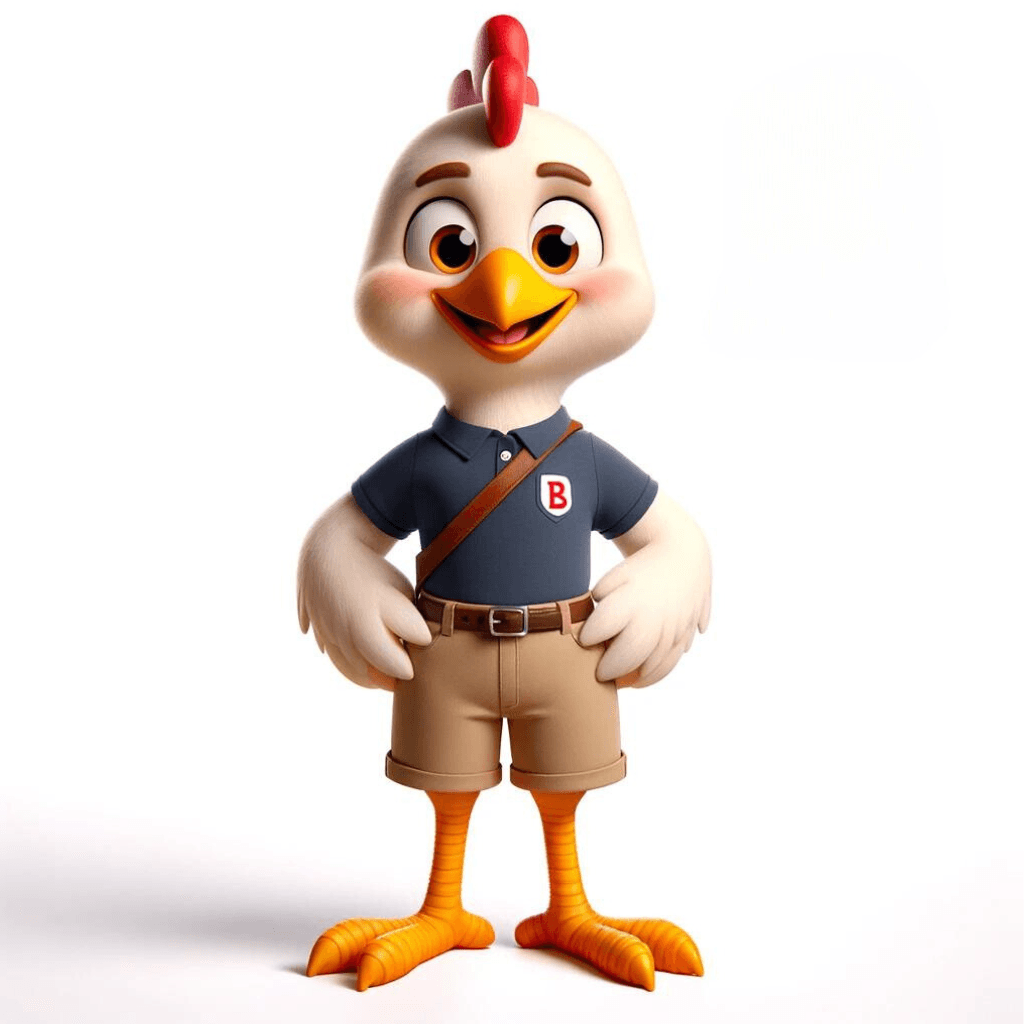
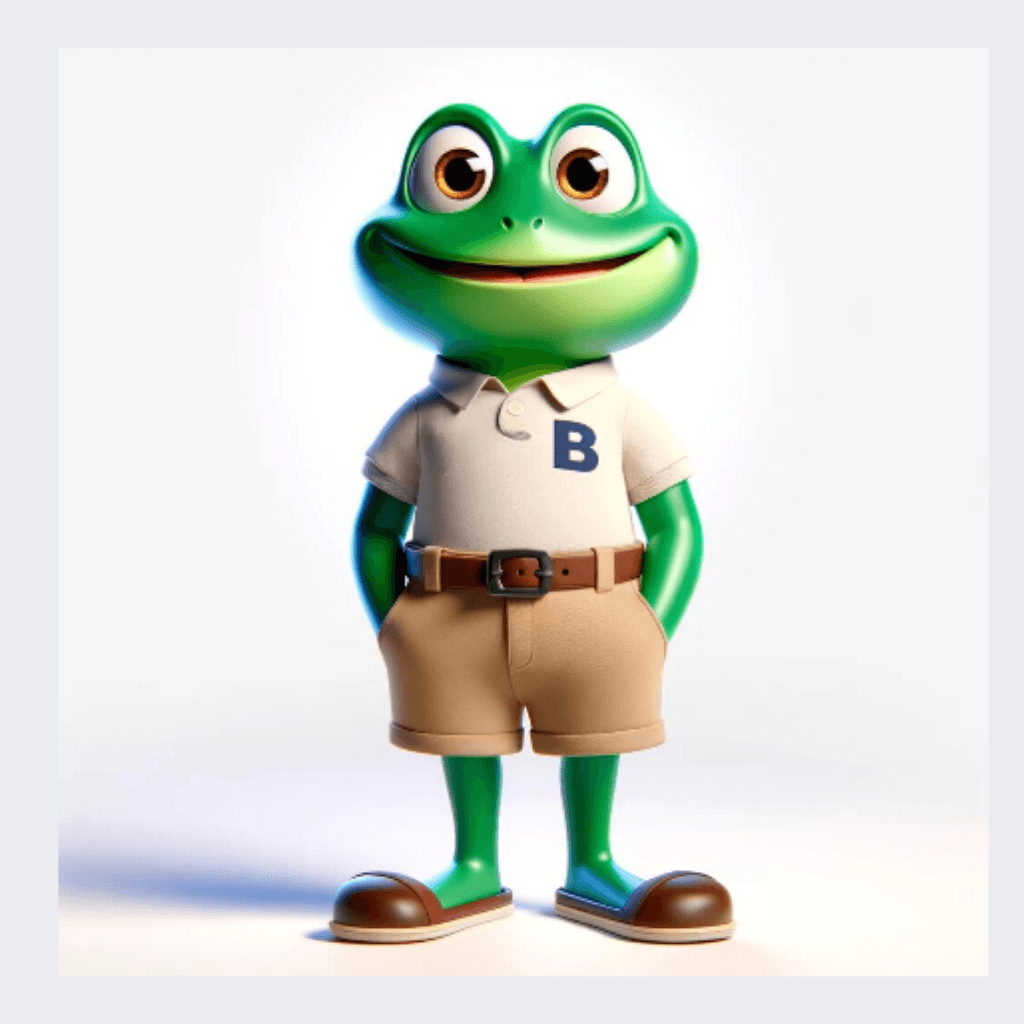
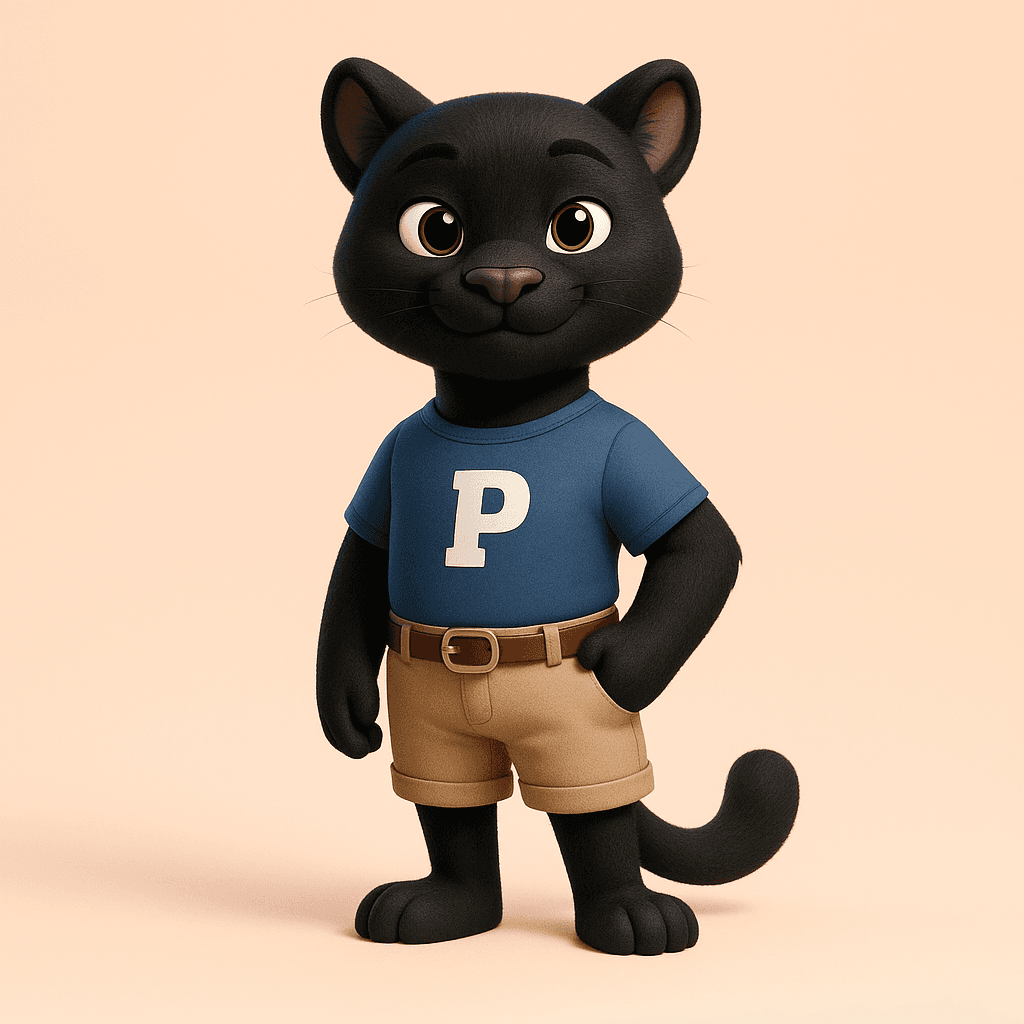
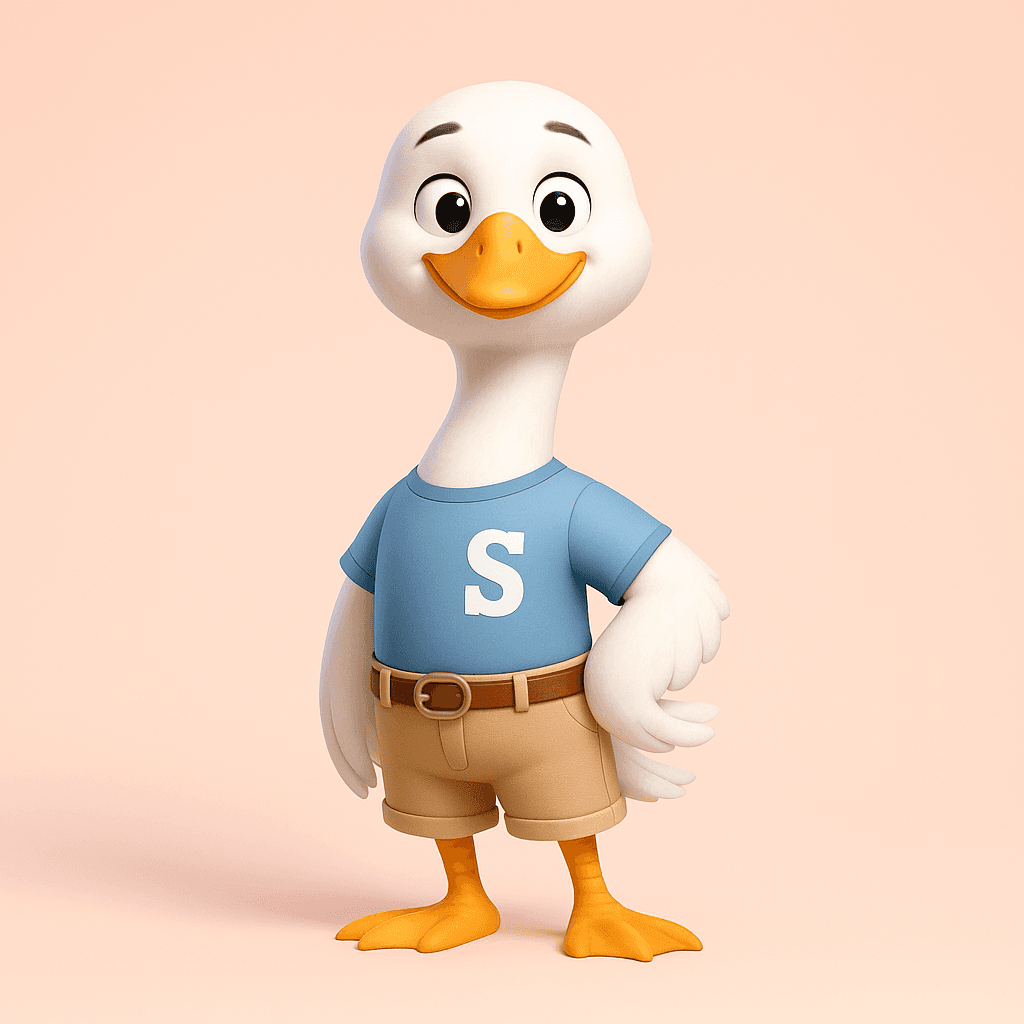
Every class has its own mascot — from Playful Pandas in Nursery to Determined Dolphins in Grade 6.

  • Amazing Ants

    Amazing Ants

  • Bright Bunnies

    Bright Bunnies

  • Buzzy Bees

    Buzzy Bees

  • Cheerful Chickens

    Cheerful Chickens

  • Cool Cats

    Cool Cats

  • Dancing Dinos

    Dancing Dinos

  • Determined Dolphins

    Determined Dolphins

  • Funny Frogs

    Funny Frogs

  • Happy Hippos

    Happy Hippos

  • Jolly Jellyfish

    Jolly Jellyfish

  • Kind Kangaroos

    Kind Kangaroos

  • Mighty Monkeys

    Mighty Monkeys

  • Playful Pandas

    Playful Pandas

  • Powerful Panthers

    Powerful Panthers

  • Soaring Swans

    Soaring Swans

  • Tenacious Tigers

    Tenacious Tigers

  • Wise Wolves

    Wise Wolves

Building identity

Each mascot gives the class a unique identity, fostering belonging and pride.

Promoting values

Mascots represent the qualities we want to encourage in our students.

Enhancing memory

The fun of mascots helps children remember class rules, routines, and learning goals.

Supporting transitions

Mascots provide continuity and comfort as children move through year groups.

Creating traditions

Class chants, mascot-themed activities, and celebrations build school culture.

Everywhere in school life

Mascots feature in classroom décor, projects, assemblies, newsletters, and reward systems.

Early Years mascots
ClassMascotClass chant
Nursery🐼 Playful Pandas“We are Playful Pandas, we love to play, In our class, we learn each day! Playful Pandas, yay, yay, yay!”
LKG A🦕 Dancing Dinos“We are Dancing Dinos, we love to dance, In our class, we take every chance! Dancing Dinos, hip, hip, hooray!”
LKG B🦛 Happy Hippos“We are Happy Hippos, big and round, In our class, fun is always found! Happy Hippos, we’re happy today!”
UKG A🪼 Jolly Jellyfish“We are Jolly Jellyfish, we float and sway, In our class, we learn and play! Jolly Jellyfish, we’re jolly all day!”
UKG B🐸 Funny Frogs“We are Funny Frogs, we hop and leap, In our class, we learn heaps! Funny Frogs, we’re funny today!”
Key Stage 1 mascots
ClassMascotClass chant
Grade 1A🐜 Amazing Ants“We are Amazing Ants, small but smart, In our class, we make a start! Amazing Ants, we’re amazing today!”
Grade 1B🐝 Buzzing Bees“We are Buzzing Bees, we buzz and hum, In our class, we’re having fun! Buzzing Bees, we’re buzzing today!”
Grade 1🐛 Curious Caterpillars“We are Curious Caterpillars, we wiggle and we grow, In our class, our learning starts to glow! Curious Caterpillars, here we go!”
Grade 2A🦘 Kind Kangaroos“We are Kind Kangaroos, we hop so high, In our class, we reach the sky! Kind Kangaroos, we’re kind today!”
Grade 2B🐔 Cheerful Chickens“We are Cheerful Chickens, we cluck and crow, In our class, we’re on the go! Cheerful Chickens, we’re cheerful today!”
Key Stage 2 mascots
ClassMascotClass chant
Grade 3A🐱 Cool Cats“We are Cool Cats, we’re cool and fun, In our class, we get things done! Cool Cats, we’re cool today!”
Grade 3B🐰 Bright Bunnies“We are Bright Bunnies, bright and fun, In our class, learning’s never done! Bright Bunnies, we’re bright today!”
Grade 4A🐵 Mighty Monkeys“We are Mighty Monkeys, agile and bright, In our class, we learn with delight! Mighty Monkeys, we’re mighty today!”
Grade 4B🦢 Soaring Swans“Soaring Swans with grace and might, Taking educational flight, Gliding through each lesson new, In swan class, dreams really do come true!”
Grade 5🐆 Powerful Panthers“We are Powerful Panthers, proud and strong, Leading where we all belong, Wisdom, courage in our sight, Panther class shines so bright!”
Grade 6🐬 Determined Dolphins“We are Determined Dolphins, we swim so strong, Working together all day long! Determined Dolphins, we lead the way!”

Mascot Magic — the Cosmos Primary mascot song

Performed annually during school celebrations, with each class singing their own verse and joining together for the chorus: “From Pandas to Panthers, we’re all a team, At Cosmos Primary, we follow our dreams! Cosmos Primary, hear our song, With our mascots, we all belong!”

6.7

Houses — The Cosmos Constellations

In 2026-27 we are launching our House System. Every child — and every staff member — belongs to one of four houses, named after constellations in keeping with our identity as Cosmos. Houses build a sense of belonging across year groups, encourage healthy teamwork and friendly competition, and give children real opportunities to lead.

Aquila house crest — eagle

Aquila — Red

Eagle · Altair

Vision — we see what’s ahead

Cygnus house crest — swan

Cygnus — Blue

Swan · Deneb

Grace — we move as one

Pavo house crest — peacock

Pavo — Green

Peacock · Peacock Star

Pride — we shine from within

Tucana house crest — toucan

Tucana — Yellow

Toucan · Alpha Tucanae

Wonder — we find a way

How your child belongs

Your child has two team identities that work together: their class mascot (their everyday classroom team) and their house (their school-wide team that stays with them throughout their years at Cosmos).

Individual → Class (Mascot) → House (Constellation) → School

Children are placed into houses when they join, balanced fairly across each grade so competitions stay even. Houses stay the same year after year, so your child grows up with their house family. Siblings are placed to keep each grade balanced, so they may sometimes be in different houses — all part of the friendly rivalry!

House Points and S.T.A.R. Coins

  • S.T.A.R. Coins celebrate your child’s individual behaviour in the classroom.
  • House Points are earned for the whole house — through academic effort, taking part in events, winning inter-house competitions, community service, and good attendance.

House standings are celebrated in assemblies, shared with parents each term, and build towards the annual House Cup.

Student leadership

Houses give children real opportunities to lead — as House Captains (Grade 6), Vice-Captains (Grade 5), and Prefects (Grades 3–6). Children in Grades 1–2 take part as House Cadets, and Early Years children join in through their house colour and activities.

House events through the year

  • Sorting Ceremony — new children are welcomed into their house
  • 🏃 Sports Day and inter-house sports
  • 🧠 Inter-house Quiz and academic competitions
  • 🎨 Inter-house Arts — art, drama, music, and dance
  • 🤝 Community Service Day
  • 🏆 House Cup Ceremony at the end of the year

What this means for you at home

  • Your child will be told their house at the start of the year (or when they join).
  • Children wear a house badge daily, and their house colour / house PE shirt on designated house days and Sports Day.
  • Look out for house standings in the school newsletter — and cheer your child’s house on!

Chapter 7

Learning at Cosmos

Cambridge curriculum and how we teach.

In this chapter

  • 7.1Understanding Cambridge Curriculum Structures
  • 7.2Why Cosmos Chose Structure 3
  • 7.3Bridge Programme for CBSE Transition
  • 7.4Core Curriculum
7.1

Understanding Cambridge Curriculum Structures

Cambridge International offers schools around the world the flexibility to adapt curriculum stages to their local context. Cambridge International provides three different structures for schools to choose from:

StructureApproachKey characteristic
Structure 1Accelerated startCambridge Primary Stage 1 begins at KG2 (age 5–6)
Structure 2Compressed stagesCombines Stage 5+6 and Stage 7+8 into single years
Structure 3Direct alignmentGrade 1 = Stage 1, Grade 2 = Stage 2, and so on

All three structures are officially recognized by Cambridge International

No structure is “better” or “more advanced” — they simply serve different educational contexts and philosophies.

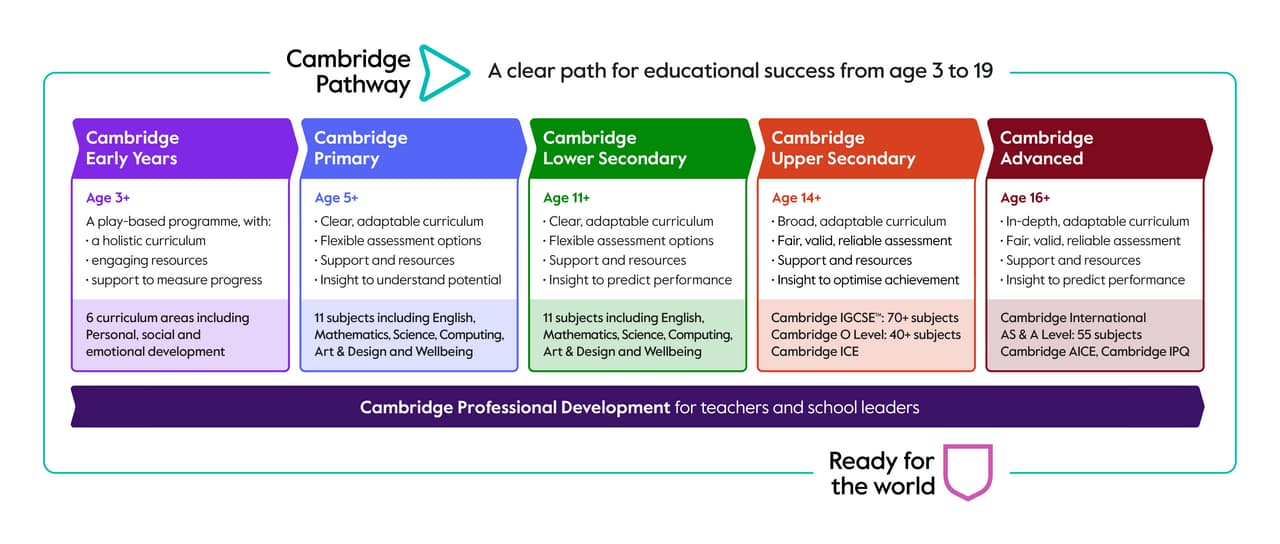
The Cambridge Pathway: Early Years, Primary, Lower Secondary, Upper Secondary, and Advanced
The Cambridge Pathway — Early Years, Primary, and the stages beyond.
7.2

Why Cosmos Chose Structure 3

At Cosmos Primary, we have deliberately chosen Structure 3 — a direct grade-to-stage alignment — based on careful pedagogical consideration.

  1. 1

    Age-appropriate learning

    Cambridge stages are designed with specific age groups in mind. Structure 3 ensures children engage with content that matches their developmental readiness. Rushing through Early Years to start “Primary” earlier does not mean children are “ahead” — it means they engage with content before they are ready for it.

  2. 2

    Strong foundation in Early Years

    Cambridge Early Years (EY1, EY2, EY3) is a comprehensive, play-based curriculum developing communication, language and literacy, mathematics, creative expression, physical development, personal, social and emotional development, and understanding the world. Honouring the full programme builds the foundation children need for later academic success.

  3. 3

    Alignment with India’s National Education Policy

    Structure 3 directly aligns with the NEP 5+3+3+4 framework, which emphasizes developmentally appropriate learning: Foundation Stage (ages 3–8, Nursery to Grade 2) focused on play-based learning; Preparatory Stage (ages 8–11, Grades 3–5) introducing formal classroom learning; Middle Stage (Grade 6 onwards) with a subject-oriented approach.

  4. 4

    Future transition planning

    Many families may move their children to CBSE after Grade 6. Our approach ensures children complete the full Cambridge Early Years and Cambridge Primary programme (Stages 1–6) — the complete international curriculum experience — before any transition.

NEP alignment

The NEP emphasizes that the Foundation Stage (ages 3–8) should focus on play-based, holistic learning rather than formal academics. Schools that start Cambridge Primary Stage 1 at KG2 are effectively shortening this crucial foundation period.

7.3

Bridge Programme for CBSE Transition

For families planning to move their children to CBSE after Grade 6, we are developing a structured Bridge Programme that will identify and address any knowledge gaps between Cambridge Primary and CBSE Grade 7, provide targeted support where curricula differ, and ensure a smooth academic transition.

Our philosophy

It is more appropriate to help children transition at higher levels (after Grade 6) than to rush them through Early Years. Let them enjoy childhood, build strong foundations, and transition when they are mature enough to adapt.

Important clarification

If another school starts Cambridge Primary Stage 1 at KG2, their children are not “ahead” — they are simply on a different structure. At Cambridge Primary Checkpoint (end of Grade 6), all children are assessed at the same Stage 6 level, regardless of when they started. The question is not when a child starts, but how well they are prepared.

7.4

Core Curriculum

Our curriculum philosophy

We provide a broad, balanced, and engaging curriculum that nurtures creativity, critical thinking, and a lifelong passion for learning. Our approach combines internationally recognized standards with innovative whole-school programs designed by our educators.

🌱 Early Years: Cambridge Early Years curriculum

The Cambridge Early Years curriculum forms the foundation of learning at Cosmos Primary. It nurtures the whole child through play-based, inquiry-led learning, building strong early skills and positive learning habits.

Curriculum areas in Cambridge Early Years
Curriculum areaFocusWhat children develop
🗣️ Communication, Language and LiteracyListening, speaking, early reading and writingVocabulary, comprehension, communication, early literacy skills
🔢 MathematicsNumber, pattern, shape, measure, early problem-solvingNumber sense, reasoning, curiosity with maths concepts
🌍 Understanding the WorldPeople, places, nature, and the world around usInquiry, observation, early scientific thinking, community awareness
🎨 Creative ExpressionArt, music, movement, and imaginative playCreativity, confidence, self-expression, collaboration
💗 Personal, Social and Emotional DevelopmentRelationships, wellbeing, attitudes to learningSelf-awareness, empathy, resilience, positive learning habits
🏃 Physical DevelopmentMovement, coordination, health, and self-careGross and fine motor skills, balance, healthy routines

Aligned to the Cambridge Early Years approach, we focus on intentional play, language-rich interactions, and meaningful routines so children feel safe, confident, and curious — ready for a smooth transition into Cambridge Primary.

📚 Key Stages 1 and 2: Cambridge Primary & beyond

Our Key Stages curriculum merges internationally acclaimed frameworks with locally relevant content for a comprehensive education.

Subjects at a glance
SubjectFrameworkKey focus
📖 EnglishCambridge PrimaryReading, Writing, Speaking, Listening
🔢 MathematicsCambridge + White RoseNumber, Geometry & Measure, Statistics
🔬 ScienceCambridge PrimaryBiology, Chemistry, Physics, Earth & Space
🌏 Social StudiesIndian curriculumHistory, Geography, Culture
🇮🇳 Hindi/TeluguIndian curriculumLanguage acquisition, literary traditions
💻 ComputingCode.orgCoding, digital literacy, safety

English

Cambridge Primary

Approach

Encourages life-long enthusiasm for reading, writing, and spoken communication across four strands: Reading, Writing, Speaking, and Listening. Learners communicate effectively and respond to a wide range of information, media, and texts — becoming confident communicators, engaged readers, and creative writers.

Mathematics

Cambridge Primary + White Rose Maths

Approach

The Cambridge framework develops holistic understanding — principles, patterns, systems, functions, relationships — across Number, Geometry and Measure, and Statistics and Probability. We supplement it with the White Rose Maths programme for a Maths Mastery approach, reinforced by our M.A.S.T.E.R whole-school programme: deep understanding over rote memorization.

Science

Cambridge Primary

Approach

Develops life-long curiosity about the natural world across six strands: Biology, Chemistry, Physics, Earth and Space, Thinking and Working Scientifically, and Science in Context — building practical skills alongside knowledge and understanding.

Social Studies

Indian curriculum

Approach

Indian curriculum books give students a deep understanding of Indian history, geography, society, and culture — an education that meets international standards while rooting students in their local context and cultural heritage.

Indian Languages (Hindi/Telugu)

Indian curriculum

Approach

Curriculum books from the Indian curriculum focus on language acquisition and introduce students to the rich literary traditions of Hindi and Telugu.

Computing

Code.org

Approach

An interactive, student-centric framework covering fundamental coding through internet safety and data privacy — helping students understand how digital technology works and use it creatively.

Assessments include Cambridge Primary Progression Tests and Checkpoints. Our teaching methodologies are rooted in fostering curiosity, critical thinking, creativity, and communication skills — preparing students for a successful future in the 21st century.

Chapter 8

Programmes & Enrichment

Whole-school programmes, after-school programs, and the 100 Book Challenge.

In this chapter

  • 9.1Whole School Programs
  • 9.2After School Programs
  • 9.3The 100 Book Challenge
9.1

Whole School Programs

We have developed unique Whole School Programs to complement our Core Curriculum. These evidence-based programs implement the latest educational research and cognitive psychology practices — covering literacy, numeracy, communication, arts, life skills, and sustainability.

R.E.A.D

Reading for Engagement, Appreciation and Discovery

Reading comprehension & love of reading

S.P.E.A.K

Speaking for Personal Empowerment and Articulation of Knowledge

Oral communication skills

Write Right

Composition & Transcription

Handwriting & written expression

M.A.S.T.E.R

Maths Advancement through Strategic Thinking, Exploration and Reasoning

Maths mastery & fluency

C.R.E.A.T.E.

Cosmos Primary Arts Programme

Creativity & the arts — includes M.U.S.I.C

Learnarium

Inquiry-based, cross-curricular learning hub

Curiosity, creativity & critical thinking

L.I.F.E

Learning, Integrity, Friendship, Empowerment

PSHE & social-emotional learning

S.A.V.E

Sustainable Actions for a Vibrant Earth

UN SDGs & global citizenship

Type Right

Keyboarding skills

Digital literacy (Upper KS2)

R.E.A.D — Reading for Engagement, Appreciation and Discovery

Learning to Read

Students develop the basic skills to understand written language — phonological awareness, phonics, fluency, vocabulary, and comprehension — through explicit instruction, interactive activities, and games built on the five pillars of reading.

Reading to Learn

Students use reading to acquire new knowledge, expand their understanding of the world, and become critical thinkers — with access to a wide range of fiction, non-fiction, and poetry focused on engagement, appreciation, and discovery.

S.P.E.A.K — Speaking for Personal Empowerment and Articulation of Knowledge

Learning to Speak

Pronunciation, grammar, fluency, and vocabulary built through interactive activities, role-playing, and oral presentations — the foundations for expressing thoughts and ideas with clarity and precision.

Speaking to Communicate

Public speaking, debates, and group discussions build confidence and communication — learning to express persuasively and structure an argument.

English as an Additional Language (EAL)

Support for children developing English alongside another home language is provided within S.P.E.A.K — targeted speaking, listening, and language-building activities grow confidence and fluency in spoken and academic English.

Write Right — Composition & Transcription

Composition

Based on the writing units from Twinkl’s Read Write Succeed, aligned to the English core curriculum. A structured progression from basic sentence construction to compelling essays and stories, across genres, with formative assessment and retrieval practice built into each unit.

Transcription (handwriting)

A structured 5-step journey to legible, fluent, continuous cursive handwriting, built on National Handwriting Association curriculum guidelines with the P Checks and S Factors. Later stages progress into organizing ideas, structuring writing for purpose and audience, and techniques like brainstorming, outlining, and drafting.

M.A.S.T.E.R — Mathematics Advancement through Strategic Thinking, Exploration, and Reasoning

Counting & number sense

From Early Years through the key stages — spatial thinking, one more/one less, anchoring to 5 and 10, and part-part-whole relationships.

Fact fluency

Quick and accurate recall of basic arithmetic facts, supported by tools like numbersensemaths.com, Numbots, and Times Tables Rock Stars.

Problem-solving & reasoning

Contextual word problems in line with Cognitively Guided Instruction (CGI) encourage students to form their own strategies; Math Talks build collaborative reasoning, where students express and justify their mathematical thinking.

Approach

Every strand follows the Concrete-Representational-Abstract (CRA) approach and aligns with the Learning Trajectories framework (Clements & Sarama), complementing the White Rose Maths core curriculum.

C.R.E.A.T.E — Cosmos Primary Arts Programme

Five disciplines

Aligned to the National Core Arts Standards (NCAS), spanning Music, Visual Arts, Theatre, Dance, and Media Arts — Music taught continuously through the year, the other disciplines in rotations.

M.U.S.I.C — Music for Unlocking Student Imagination and Creativity

Delivered through MusicPlayOnline — 1,800+ songs, 3,000+ interactive activities, and 130 themed units. Lessons develop singing, instruments (ukuleles, recorders, bucket drums), reading music, and music theory, with opportunities to compose, perform, and engage in creative movement.

Learnarium — Inquiry-Based Learning Hub

Ignite. Inquire. Inspire.

A dynamic, interactive learning hub nurturing curiosity, creativity, and a love of reading. Hands-on, cross-curricular activities in themed zones (reading, creativity, discussion, STEM and technology, numeracy, games) help children connect ideas across subjects, lead their own learning, and build 21st-century skills. Features in the weekly Discovery Block.

L.I.F.E — Learning, Integrity, Friendship, Empowerment

PSHE & social-emotional learning

The foundation of our school’s ethos, delivered through the Twinkl Life PSHE curriculum aligned to the UK DfE PSHE framework — thoughtfully adapted to our Indian context, including transforming the “Diverse Britain” unit into “Incredible India”.

S.A.V.E — Sustainable Actions for a Vibrant Earth

UN SDGs & global citizenship

Aligned with all 17 UN Sustainable Development Goals. Through the annual Goals Project, students develop solutions for sustainability challenges, take action through student-led initiatives, build partnerships with organizations, and connect classroom learning with real-world challenges — developing leadership through social impact projects.

Type Right — Keyboarding Skills

For Upper Key Stage 2

Proper posture and ergonomics, touch typing from the home row, progressive exercises and games, and regular speed and accuracy assessment — targeting 25–30 words per minute with 90% accuracy by the end of Upper KS2. Also introduces digital document formatting, online collaboration tools and etiquette, and digital safety.

9.2

After School Programs

Beyond the school day, Cosmos offers After School Programs (ASPs) — small-group learning, movement, and creative programs designed to feel personal and purposeful, not like a second school day. Programs run as complete cycles with a clear plan, an approved instructor, and a defined outcome.

Time

4:30 PM to 6:00 PM

Group size

Up to 5 children per group

Calendar

Each program’s calendar is shared as the program is created.

Supervision

Approved instructors, check-in/check-out, and parent communication through the Learnarium.

The three program families — Learn. Move. Create.

LEARN — Roots & Wings

Academic foundations and enrichment

Roots

Foundational skills: R.E.A.D phonics catch-up, M.A.S.T.E.R maths foundations, reading fluency, handwriting, spelling, early writing, and times tables mastery.

Wings

Extension and exploration: creative writing, junior journalism, book clubs, maths olympiad preparation, science explorers, debate, and inquiry projects.

MOVE — Stride & Sway

Sport, movement, fitness, and wellbeing

Stride

Sports and athletics such as football, cricket, basketball, badminton, table tennis, athletics, martial arts, and team games.

Sway

Dance, yoga, mindfulness, flexibility, coordination, fitness fun, and movement programs that build grace and calm.

CREATE — Muse & Mind

Creative and technical making

Muse

Music, vocals, drama, storytelling, puppetry, sketching, painting, clay, craft, origami, and photography.

Mind

Scratch, Python, robotics, chess, LEGO engineering, electronics, app development, 3D design, science labs, and invention challenges.

The Learnarium anchors every program

Children check in and out through the Learnarium. Families get one clear place for enrollment, schedules, waitlists, reminders, payments, and feedback — and during program hours, ASP children also get access to the Learnarium learning environment.

What you’ll know before each program starts

  • Program dates and session count
  • Weekly day and time
  • Age or grade range
  • Instructor and location
  • Materials or equipment needed
  • Fee and enrollment deadline

How enrollment works

  1. 1

    Registration opens

    Announced through school communication channels.

  2. 2

    Enrol

    Parents complete the enrollment form.

  3. 3

    Placement

    Confirmed based on priority and capacity.

  4. 4

    Payment

    Fee details are shared before the program begins.

  5. 5

    Orientation

    Children and parents complete a short Day 1 orientation.

Quality loop

Every program is reviewed before it opens to families and again before the next cycle — covering objectives and learning outcomes, the session-by-session plan, resources, progress tracking, instructor qualifications, and the safeguarding and supervision plan.

9.3

The 100 Book Challenge

The Learnarium runs a school-wide reading quest: every student in Grade 1 and above is automatically part of the challenge to read 100 books during the school year. It’s a fun, engaging way to explore new worlds, meet incredible characters, and expand imaginations — one book at a time.

How the quest works

  1. 1

    A secure quest certificate

    The Learnarium team creates an official 100 Book Challenge Certificate for every student, kept safe in the Learnarium.

  2. 2

    Automatic tracking

    No logging needed at home — progress is updated weekly from the official library reports. Any book checked out and returned counts toward the goal.

  3. 3

    Share your thoughts

    When checking out a new book, the Librarian asks a few quick, fun questions about the book just finished.

What counts as a book?

Any book checked out from the Learnarium — picture books, chapter books, graphic novels, even audiobooks. The goal is to enjoy the journey.

Mini-challenges

Impact Teams create themed reading lists of 5–10 books — like “Science & Stories” from the STEM team or “Green Reads” from the Sustainability team. Completing one earns a special sticker on the certificate. Look for the Mini-Challenge Spotlight on the Learnarium display board.

Celebrating 100 books

  • 🏁 Challenge complete! The Learnarium team notifies your child and their teacher when the tracker reaches 100.
  • 🖋️ The golden signature — the Learning Experiences Curator gives the certificate its final official signature.
  • 🎉 The Parade of Heroes — the signed certificate is presented in front of the whole school at a Learning Celebrations Parade.
  • 🏆 The Wall of Fame — your child’s name and photo join the permanent 100 Club Wall of Fame in the Learnarium.
  • 🥳 The grand celebration — all finishers are invited to an exclusive end-of-year party.

How parents can help

  • Read together — share a book with your child, no matter their age.
  • Talk about stories — ask what they’re reading and what they love about it.
  • Visit the library — encourage frequent Learnarium visits to check out new books.
  • Celebrate the journey — focus on the joy of reading, not just the number. Every book is a victory!

Chapter 9

Homework & Assessment

Practice, progress, reports, and parent support.

In this chapter

  • 9.1Homework
  • 9.2Assessments
  • 9.3Reporting
  • 9.4Stay Engaged and Contribute
9.1

Homework

We firmly believe that homework is a vital part of your child’s education. By maintaining consistency and a clear understanding of its purpose, we can all — educators, students, and parents — contribute to their success.

Early Years

Daily homework, requiring no more than 30 minutes to complete.

KS1 & KS2

Daily homework, requiring no more than one hour to complete.

What does homework include?

Core curriculum

English, Maths, Science, Computing, second languages, and Social Studies — reinforcing class learning, preparing for future lessons, and applying concepts. Plus a termly independent learning project.

Literacy & numeracy skills practice

Reinforcing skills from the R.E.A.D, Write Right, and M.A.S.T.E.R programs — a combination of worksheets and online tasks.

Language arts & general knowledge

Practising listening, speaking, reading, and writing, with a different skill assigned each day, plus daily general knowledge questions.

Daily learning summary

Parents have access to a class website through the curriculum planning portal, where you can directly view curriculum plans at the level needed to support your child. This replaces the earlier practice of sharing a “Daily Learning Summary” document.

What we expect from pupils

  • Do their best to complete homework.
  • Reflect on feedback given.
  • Approach teachers about anything they don’t understand.
  • Take responsibility for their homework books and worksheets.

What we expect from parents

  • Provide a suitable study space.
  • Encourage good working habits.
  • Inform the school of any problems with homework completion.
  • Sign completed homework and provide comments if necessary.
  • Make sincere efforts to understand the curriculum.
9.2

Assessments

We consider assessments an indispensable tool for monitoring students’ academic progress, informing instructional strategies, and identifying areas for improvement. Our multi-faceted approach encompasses both formative and summative evaluations. Assessment practices are governed by the school’s Assessment Policy; detailed structures (weightages, schedules, formats) are communicated through official channels during the year.

Formative assessments

Integrated into daily learning for immediate feedback — class participation and discussions, group work and collaborative projects, quizzes and knowledge checks, homework, in-class presentations, and Small-Steps assessments.

Summative assessments

At the conclusion of units, terms, or the year, to evaluate comprehension and mastery — end-of-unit tests, end-of-term assessments, standardized tests, final projects and reports, and oral and written presentations.

9.3

Reporting

We follow a standards-based reporting system, which evaluates students on their mastery of particular learning goals rather than comparing them to their peers.

Proficiency levels
LevelMeaning
⭐ SecureStudent has mastered the learning goal
📈 DevelopingStudent is progressing toward mastery
🌱 EmergingStudent is beginning to understand
➖ Not ApplicableLearning goal not assessed this term

Educators prepare progress reports at the end of each term, summarizing academic performance, behaviour, and social development.

Benefits and goals

  1. 1

    Transparency

    Detailed reporting ensures transparent communication between educators, students, and parents.

  2. 2

    Holistic evaluation

    A balanced evaluation, factoring in various aspects of learning.

  3. 3

    Targeted support

    Detailed reporting helps tailor specific academic interventions.

  4. 4

    Parental engagement

    Parent involvement is key to a child’s success — we encourage ongoing dialogue between parents and teachers.

9.4

Stay Engaged and Contribute

As we wrap up this handbook, we want to emphasize the importance of your engagement in your child’s educational journey. Regularly checking for updates on school activities, curriculum adjustments, and your child’s academic progress is crucial to maintaining a collaborative educational environment. Your insights and suggestions are invaluable — reach out to our Principals or Year Group Leads with any thoughts or concerns.

We are a community bound by a shared vision: to empower students in a happy, safe, and stimulating environment to help them reach their true potential and foster a lifelong love of learning. Let’s unite to “Help our Children fall in love with Learning” and make this vision a reality for every child at Cosmos Primary.
Cosmos Primary School · www.cosmosprimary.com · school@cosmosprimary.com · 7822 999 999
Cosmos Primary Parent Handbook 2026-27 · Implementation · Reviewed annual