Life is Learning.
Cosmos Primary School · Pendurthi, Visakhapatnam, Andhra Pradesh 531173 · India
admissions@cosmosprimary.com · +91 7822 999 999 · cosmosprimary.com
Welcome to Cosmos.
Thank you for considering Cosmos Primary School for your child. What follows is a short walk through who we are, what we believe, and how a day with us looks.
Cosmos Primary opened in 2021 in Pendurthi, Visakhapatnam, with a clear vision: to empower every child, in a happy, safe and stimulating environment, to achieve their true potential and a lifelong love of learning. We are a registered Cambridge International School — the same framework used in 160+ countries — delivered in our voice and our context, by educators who know your child by name.
At the heart of everything we do is a three-word philosophy: Life is Learning. It signals that education at Cosmos is not confined to classrooms or timetables — it is woven into every interaction, every policy, and every conversation.
We wrap Cambridge in eight whole-school programmes — reading, oracy, maths, writing, the arts, sustainability, PSHE, and the Learnarium at the heart — because a syllabus alone cannot do what a school must do. Three pillars in balance every day: Skills of the Heart, Skills of Character, Skills of the Mind.
The best way to understand any school is to walk it. Read this prospectus, take the virtual tour, and then come and visit us. We would love to meet you.
Balaji Peela
Director of Academics · Cosmos Primary School
Two principals, one promise.
Our Principals lead the two sides of school life that shape your child’s days — how they learn, and how they are cared for.

Mrs. Swathi Yenugudhati
Principal — Academics
Every child who joins Cosmos arrives curious — our work is to keep that curiosity alive and give it direction.
We teach children how to learn: to think, question and reflect, so the Cambridge curriculum becomes real understanding, not just right answers. Walk into any classroom and you’ll find educators who know your child by name and by need — that is where great learning begins.

Mrs. Tejaswi Dwibhashyam
Principal — Administration
A child learns best when they feel safe, settled and known.
Behind every lesson is a school built around your child’s wellbeing — clear routines, careful safeguarding, and a team that listens. We see families as partners, and our door and our phone line stay open. Welcome to the Cosmos family; we look forward to walking this journey with you.
A walk through Cosmos Primary.
Twenty-eight pages, five honest threads — who we are, how we teach, how we live, how we care, and how to join us. Skim, jump, return as you please.
- 01CoverCosmos Primary 2026–27
- 02Welcome from the DirectorA note from Balaji Peela
- 03Welcome from our PrincipalsMrs. Swathi Yenugudhati & Mrs. Tejaswi Dwibhashyam
- 04Inside this prospectusTable of contents
- 06Our StoryA Cambridge Primary school, made in Pendurthi
- 07Philosophy, Vision, Mission, ValuesLife is Learning · I.O.T.R.I.D.A
- 08The Cambridge PathwayEarly Years and Primary, end-to-end
- 09NEP & Cambridge alignmentAligned with India’s 5+3+3+4 framework
- 10The Eight Whole School ProgrammesWhat a syllabus alone cannot do
- 11Heart · Character · MindThree pillars of a Cosmos childhood
- 12A.I.M. for the S.T.A.R.sAcknowledge · Identify · Make a Choice
- 13A Day at Cosmos · Early YearsNursery · LKG · UKG
- 14A Day at Cosmos · Key Stage 1Grades 1 · 2
- 15A Day at Cosmos · Lower KS2Grades 3 · 4
- 16A Day at Cosmos · Upper KS2Grades 5 · 6
- 17Our ClassesSixteen mascots, one school
- 18Cosmos ConstellationsAquila · Cygnus · Pavo · Tucana
- 19Voices of CosmosHeart · Character · Mind · V.O.I.C.E. protocol
- 21The LearnariumNine zones, one heart
- 22L.E.A.D.E.R 2.0 — our educatorsA six-stage dual-track journey
- 23Our TeamBoard · SLT · Year Group Leads
- 24Safeguarding & WellbeingEvery child safe, every voice heard
- 25Nurture Parent ClubEducate · Engage · Empower · the 3-pillar club
- 26The Cosmos OS familyThe school operating system, for every role
- 27After School ProgramsLEARN · MOVE · CREATE · pilot to launch
- 28Academic Calendar 2026–27Three terms · 147 events · four event types
- 29Cosmos Secondary plansThree horizons · CBSE + Cambridge + IB
- 30Admissions 2026–27A conversation, not a form
- 31FeesTransparent · predictable · shared at admission
- 32The CampusPendurthi, Visakhapatnam
- 33Come and visitBack cover
PENDURTHI · 2026
Every child known. Every voice heard. Every day a step further along.A Cambridge Primary school, made in Pendurthi.
Cosmos Primary opened its doors in 2021 with one belief: a child’s first school years should be both world-class and unmistakably their own — rooted in our city, our families, our way of speaking to one another.
We chose Cambridge for its rigour and its breadth — a framework trusted across 160+ countries. We chose Pendurthi because this is home. The result is a primary school that reads to the same standards as the best in the world, and feels like the neighbourhood it grew up in.
Today, 300+ Cosmonauts learn here across Early Years and Primary, taught by a team that knows every child by name.
Why Cambridge
A rigorous, internationally benchmarked framework — used to shape strong learners, not just strong test-takers.
Why Pendurthi
Because this is our home. Children belong to a place; this place belongs to them.
Five years of becoming.
- 2021Cosmos Primary opens in Pendurthi with EY classes and Grade 1.
- 2022The Learnarium opens — the school’s reading-culture hub.
- 2023R.E.A.D, S.P.E.A.K and M.A.S.T.E.R go school-wide.
- 2024Cambridge Primary delivery extends through Grade 4.
- 2025L.E.A.D.E.R Framework launched for educators.
- 2026Cosmos Constellations launch · K-12 plan announced.
Every adult here knows every child by name — and every child knows that this school is theirs.
Three words at the heart of every message we send — to children, to families, to ourselves.
Our vision
Cosmos Primary empowers students in a happy, safe, and stimulating environment to help them achieve their true potential in all their endeavours — and foster a lifelong love of learning.
Four guiding principles
- 1Learner-centred educationEvery plan starts with the child in front of us.
- 2Teachers’ professional capacity & leadershipGrowing educators who grow Cosmonauts.
- 3Strong school leadershipClear direction, visible standards, steady stewardship.
- 4Strong ethical & trusting relationshipsBetween staff, families and children — every day.
Seven values we live by
A world-class curriculum, taught in our voice.
Cambridge International runs a four-stage Pathway from age three to nineteen. We deliver the first two stages — Early Years and Primary — end-to-end, on one campus, with the same frameworks used in 160+ schools worldwide.
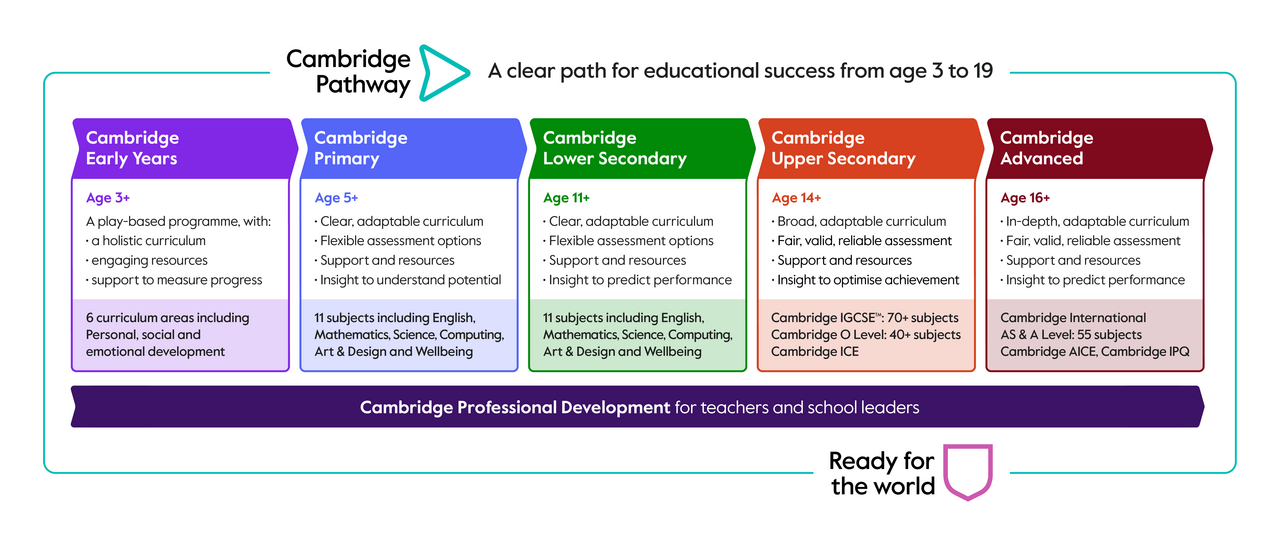
Cambridge Early Years
Play-based learning, carefully sequenced. Children build the habits of curiosity, language, number sense and self-regulation that the rest of school stands on.
- Communication & literacy
- Mathematics
- Personal, social & emotional development
- Physical development
- Creative expression
- Understanding the world
Cambridge Primary
Subject mastery with regular Progression Tests and the Primary Checkpoint at the end of Stage 6 — benchmarked against Cambridge schools worldwide.
- English & English as an Additional Language
- Mathematics
- Science
- Humanities & Global Perspectives
- Art, Music, Computing & Digital Literacy
- Physical Education & Wellbeing
Cambridge Progression Tests in Stages 3–5 plus the Primary Checkpoint at the end of Stage 6 — benchmarked against schools worldwide.
Reviewed by Impact Teams every term — Intent · Implementation · Impact, with student-voice and book-look data baked into the cycle.
Cambridge sets the framework; we choose the texts, trips, local examples and projects. International standards, rooted in Visakhapatnam.
A Cambridge curriculum, aligned with India.
Cosmos Primary delivers Cambridge — and consciously aligns with India’s National Education Policy 2020 and the 5+3+3+4 framework. The table below shows how each of our year groups maps to a Cambridge stage and a NEP stage, so a Cambridge education at Cosmos honours both international standards and India’s policy on developmentally appropriate learning.
Cambridge Primary Stage 1 begins at Grade 1 — not UKG.
Some schools start Cambridge Primary Stage 1 at UKG, ending the Foundation Stage at age 5. We do not. The NEP’s Foundation Stage runs to age 8 for good reason — young children learn best through play, activity and discovery, not through formal academics. By starting Cambridge Primary at Grade 1 (age 6), Cosmos protects the full Foundation Stage window and aligns directly with India’s nationally recognised approach to early childhood education.
Families who choose CBSE or another Indian Board after Grade 6 are supported by our Bridge Programme — a structured handover that introduces NCERT frameworks, Board-exam formats, and Hindi as a Second Language. Every Cosmonaut leaves with the full Cambridge Early Years + Cambridge Primaryexperience (Stages 1 – 6), ready for the next chapter on any track.
Cambridge, complemented.
The Cambridge Early Years and Cambridge Primary subjectsare our academic core. These eight Whole School Programmes complement that core — woven across every year, every classroom — so children learn how to read, speak, write, calculate, create, care, live and move with the same care we put into what they learn.





Heart, character, mind.
Three pillars hold every Cosmos childhood. We look after the inner life as carefully as the academic one — and we believe a child’s character is taught, like reading, every single day.

Heart
Wellbeing & social-emotional learning. Every Cosmonaut learns to name what they feel, ask for what they need, and look out for the people beside them.
Character
Habits worth keeping. Through our S.T.A.R. expectations and A.I.M. routine, children practise integrity, responsibility and respect — until they’re who they are.

Mind
Effective learning, made visible. Metacognition, retrieval, deliberate practice — the science of learning, taught in plain language a six-year-old can use.
Acknowledge · Identify · Make a Choice.
The three-step self-regulation routine every Cosmonaut learns in EY1, practises every morning, and carries through life. One routine; three pillar tools (Heart, Character, Mind); one universal rhythm: Red, Yellow, Green.
Acknowledge
Red · Stop. Pause and notice that something is happening inside. Before we name it, we admit it’s there.
Identify
Yellow · Think. Pick the right pillar tool — Mood Meter (Heart), S.T.A.R. Meter (Character) or Meta Meter (Mind) — and name the state precisely.
Make a Choice
Green · Act. Choose a named strategy from the toolkit — Balloon Belly, Brain Dump, Partner Handshake — and try it. The routine ends in action.
72 strategies. 12 vocabulary games. One habit.
A.I.M. is taught explicitly — 24 named strategies per meter from CASEL, RULER (Yale), PBIS, Zones of Regulation, EEF Metacognition and Learning Scientists, plus 12 rotating vocabulary games. Cumulative by grade: Early Years entry-level, Grade 6 has access to all six levels.
Early Years (EY1, EY2, EY3)
Same shape, every day. Different depth, every stage. One bell schedule anchors the campus — block names stay constant from EY1 through Grade 6, while durations and depth grow with age.
- 8:30– 8:45Morning Meeting
L.I.F.E (PBIS/SEL) — greetings, attendance, an SEL micro-routine, the day’s intention. Teacher 1 leads; Teacher 2 models and supports regulation.
- 8:45– 9:00Curriculum Routines
Sound Wall · Math Working Wall · Language Wall (EY2 / EY3). EY1 moves straight into Numeracy.
- 9:00– 10:00Numeracy Block
Math Core via the M.A.S.T.E.R. routine — manipulatives at EY1, full 60-min concentration block at EY3.
- 10:00– 10:20Break
Snack, hygiene, transition routines. Teachers model social skills.
- 10:20– 12:10Literacy Block
R.E.A.D → English Core (Cambridge) → Write Right / S.P.E.A.K. T1 instructs phonics; T2 runs guided groups. The longest sustained learning window of the day.
- 12:10– 12:50Lunch
Communal lunch with shared mealtime routines.
- 12:50– 1:20Provisions
Snack, stretching, regulation routines.
- 1:20– 1:50Discovery / Language
Understanding the World; language modelling and small-group work.
- 1:50– 2:30Enrichment
C.R.E.A.T.E. arts (Music continuous, with Visual Arts / Theatre / Dance / Media Arts on rotation) and Computing — with daily MOVE alongside at EY3.
- 2:30– 2:50MOVE
Outdoor / movement block. Minimum two outdoor sessions across every EY day.
- 2:50– 3:00Closing Circle
Reflection prompts, recap of the day, and read-aloud.
Key Stage 1 (Grades 1 & 2)
Same six-block shape as the other stages — calibrated for ages 6–8.
- 8:30– 8:45Morning Meeting
L.I.F.E (PBIS/SEL) — identical opening across the campus.
- 8:45– 10:00Numeracy Block
Math Core → M.A.S.T.E.R. 75 minutes — placed during peak cognitive load. All primary classrooms run math simultaneously, enabling co-planning and shared formative checks.
- 10:00– 10:20Break
- 10:20– 12:00Literacy Block
R.E.A.D → English Core → Write Right / S.P.E.A.K + Tier 1 Plus (40 + 40 + 20).
- 12:00– 12:40Discovery
Science OR Social Studies (alternating; A and B sections fixed by class — G1AA, G1BB, G2AA, G2BB).
- 12:40– 1:20Lunch
- 1:20– 2:10Enrichment
C.R.E.A.T.E. arts — Music every Tuesday (continuous), with Visual Arts / Theatre / Dance / Media Arts rotating Wed and Fri. Computing on Tue/Fri alternates; Thu: Learnarium.
- 2:10– 3:00Languages
Hindi OR Telugu (alternating) + Read Aloud — replaced by MOVE on Tue/Thu.
- 3:00– 3:10Closing Circle
Reflection.
Lower Key Stage 2 (Grades 3 & 4)
Same six-block shape as the other stages — calibrated for ages 8–10.
- 8:30– 8:45Morning Meeting
L.I.F.E (PBIS/SEL).
- 8:45– 10:00Numeracy Block
Math Core → M.A.S.T.E.R. Same 75-min window as KS1 — the whole campus runs math together.
- 10:00– 10:20Break
- 10:20– 12:00Literacy Block
R.E.A.D + WRC → English Core → Write Right (transcription) / S.P.E.A.K (40 + 40 + 20).
- 12:00– 12:40Discovery
Science / STEM (4+1 cycle) — stream-specific by class section.
- 12:40– 1:10Lunch
- 1:10– 1:50Enrichment
C.R.E.A.T.E. arts — Music every Tuesday (continuous), with Visual Arts / Theatre / Dance / Media Arts rotating Wed and Fri. Computing on Tue/Fri alternates; Thu: Learnarium.
- 1:50– 2:30Languages
Hindi OR Telugu + Read Aloud — replaced by MOVE on Tue/Thu.
- 2:30– 3:10Discovery #2
The strand not covered before lunch — Science or Social Studies.
- 3:10– 3:15Closing Circle
Reflection.
Upper Key Stage 2 (Grades 5 & 6)
Same six-block shape as the other stages — calibrated for ages 10–12.
- 8:30– 8:45Morning Meeting
L.I.F.E (PBIS/SEL) — same opening as KS1 and LKS2.
- 8:45– 10:00Numeracy Block
Math Core → M.A.S.T.E.R. Cambridge Stage 5–6 content; reasoning and problem-solving lengthen the apply phase.
- 10:00– 10:20Break
- 10:20– 12:00Literacy Block
R.E.A.D + WRC → English Core → Write Right (composition) / S.P.E.A.K. Sustained writing replaces transcription drills.
- 12:00– 12:40Discovery
Science / STEM with longer investigation cycles — students plan and run their own experiments.
- 12:40– 1:10Lunch
- 1:10– 1:50Enrichment
C.R.E.A.T.E. arts — Music continuous, with Visual Arts / Theatre / Dance / Media Arts rotating half-termly. Computing on Tue/Fri; Thu: Learnarium. Project-led where possible.
- 1:50– 2:30Languages
Hindi OR Telugu + Read Aloud — replaced by MOVE on Tue/Thu. Composition tasks introduced.
- 2:30– 3:10Discovery #2
Social Studies or the strand not covered before lunch — sources, debate, and primary-document work.
- 3:10– 3:15Closing Circle
Reflection and house briefing.
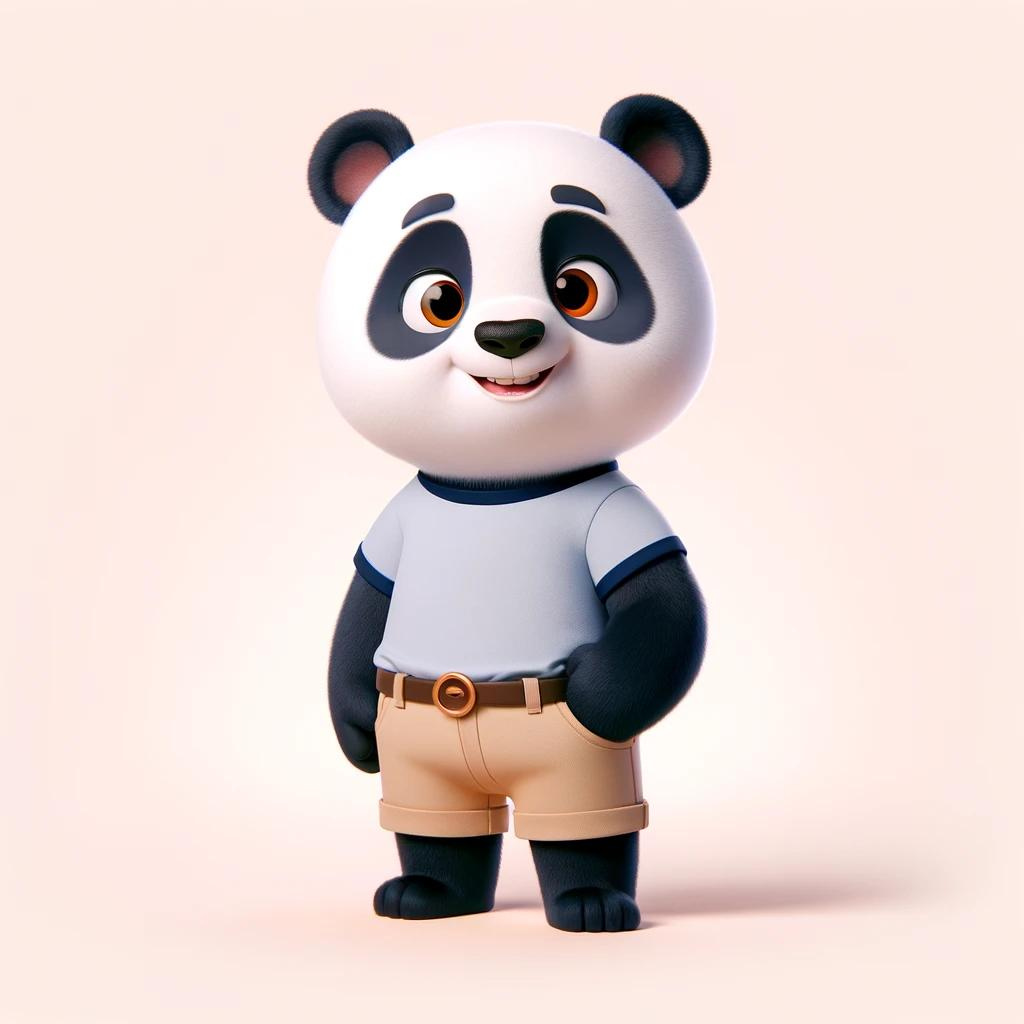
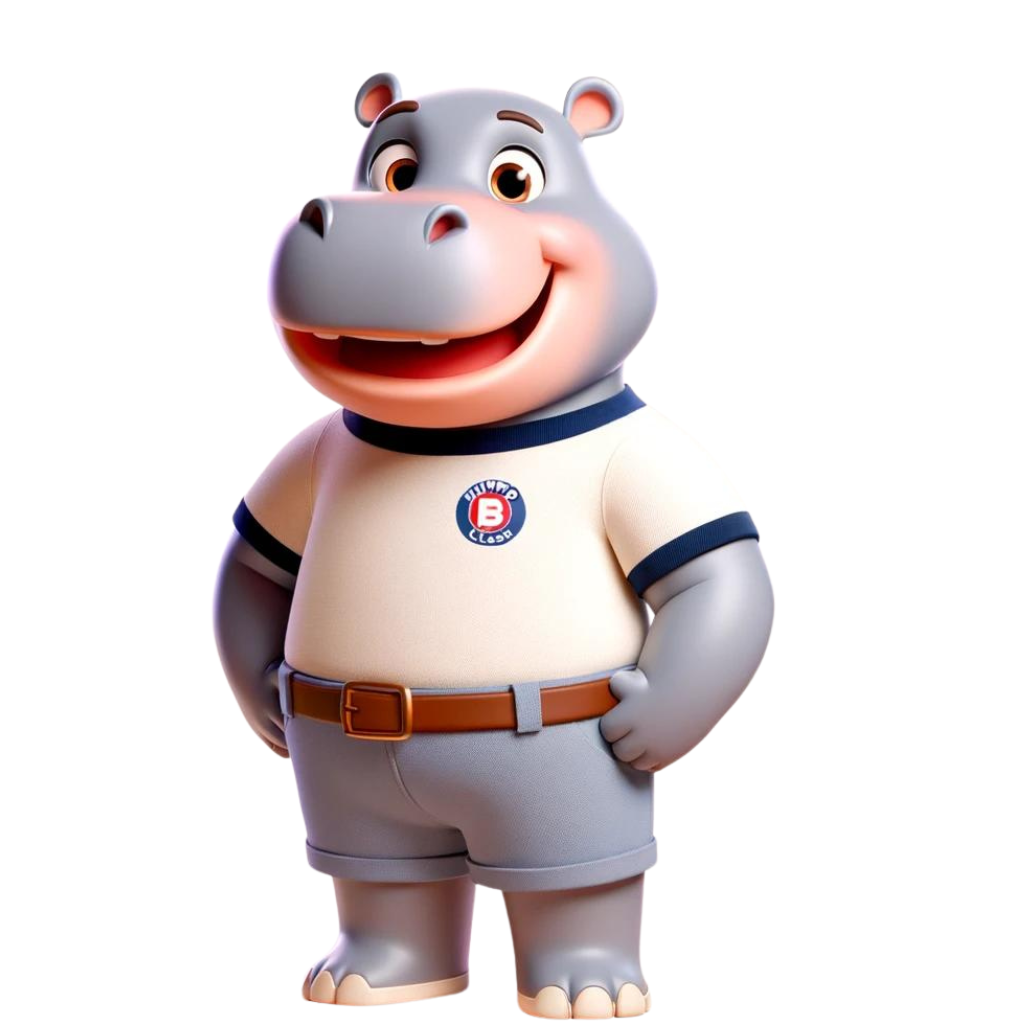
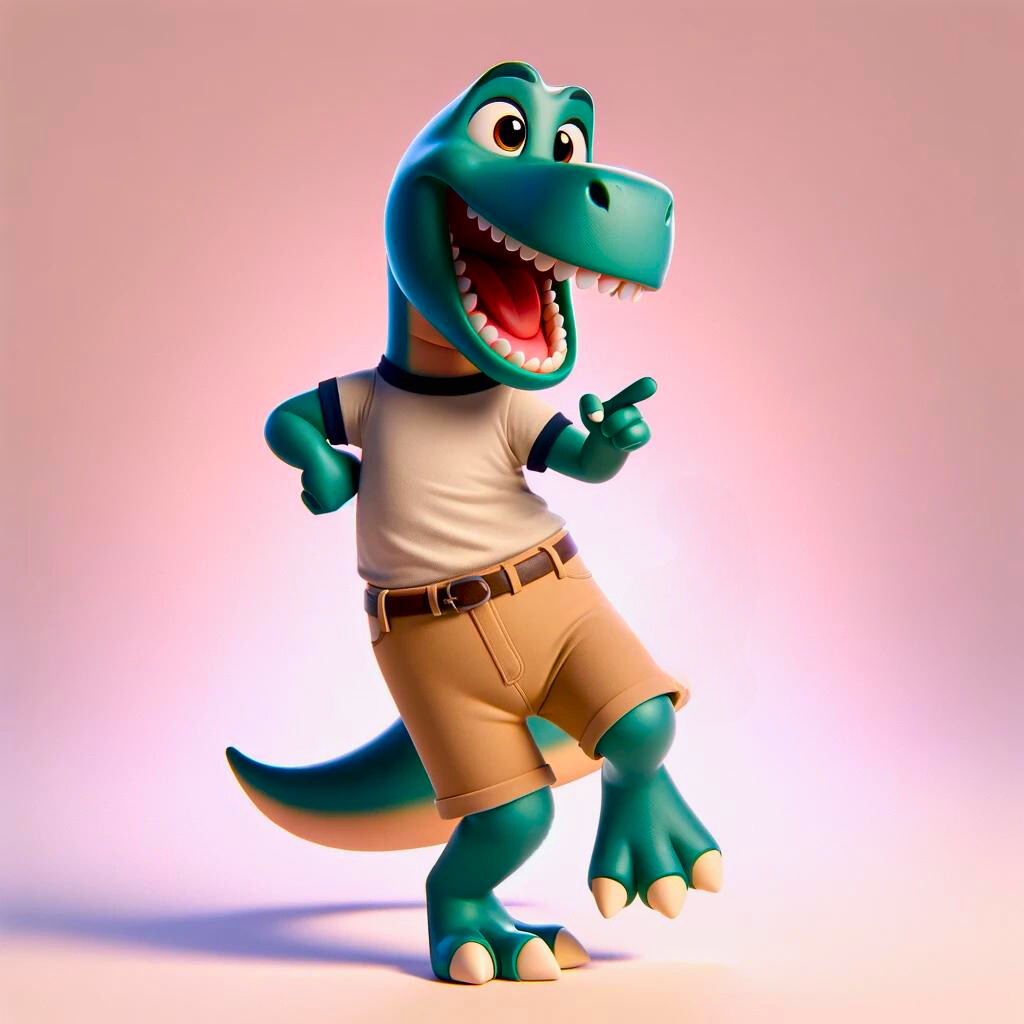
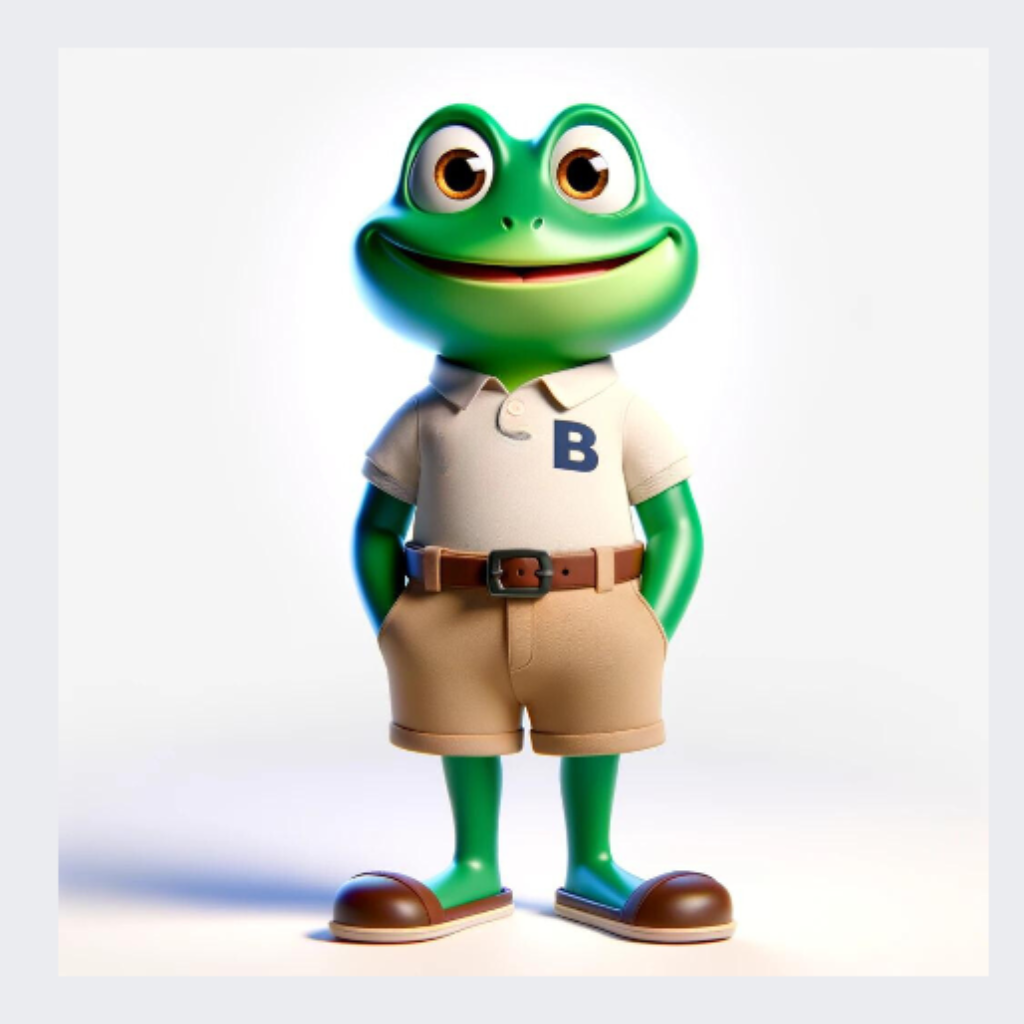
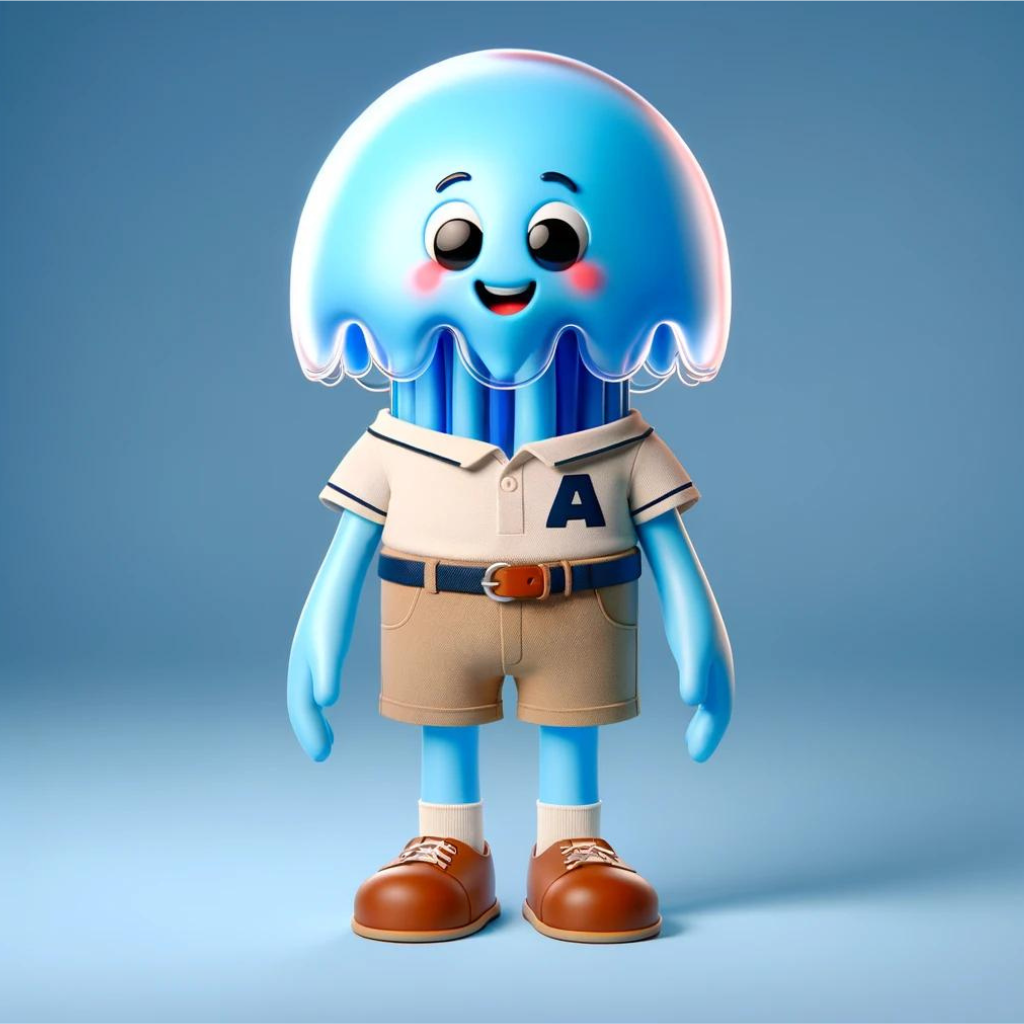
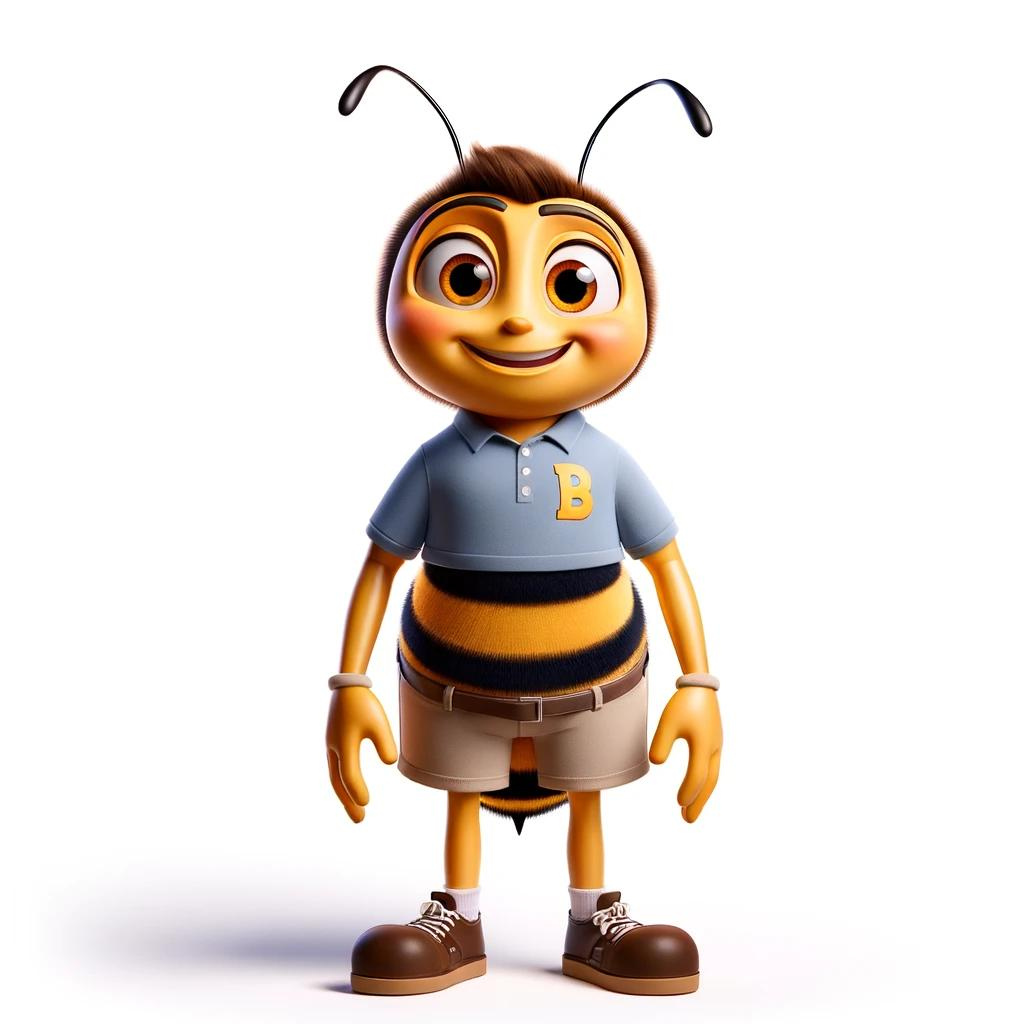
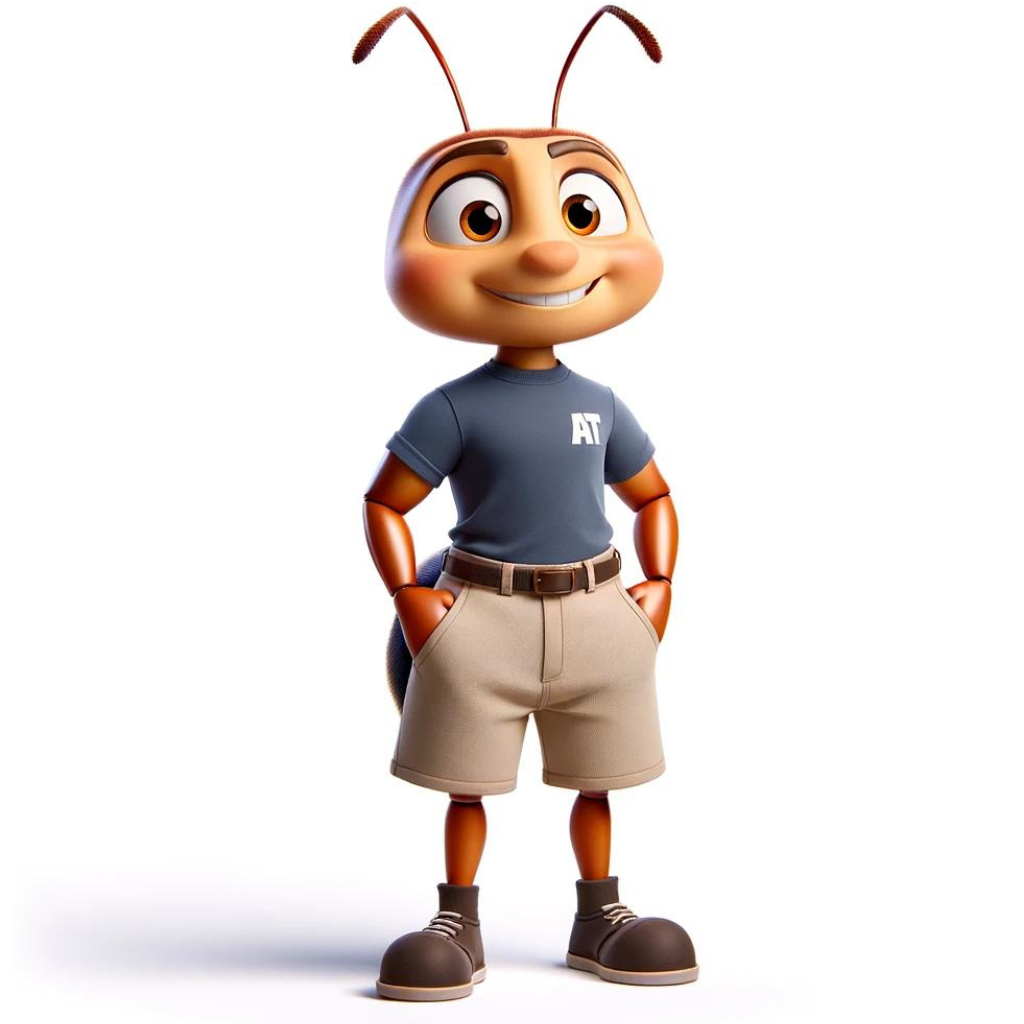
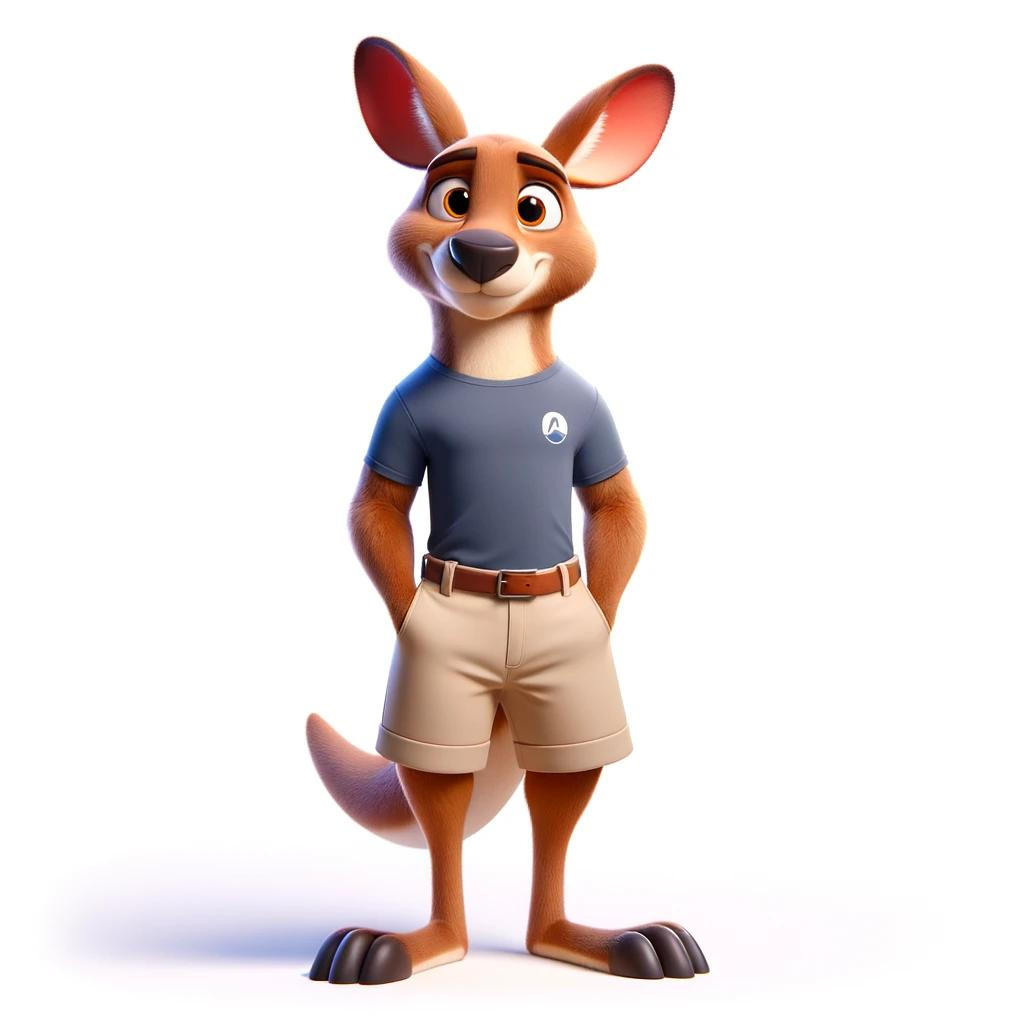
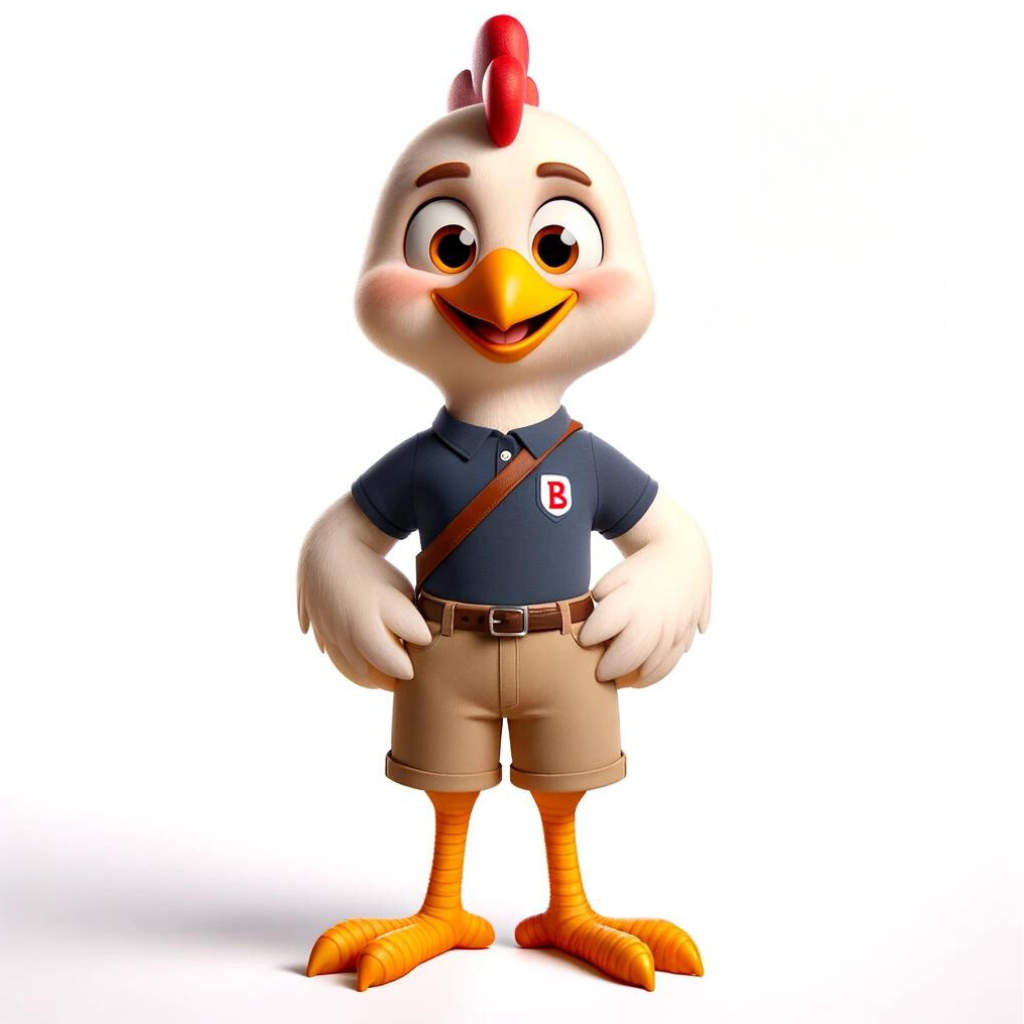
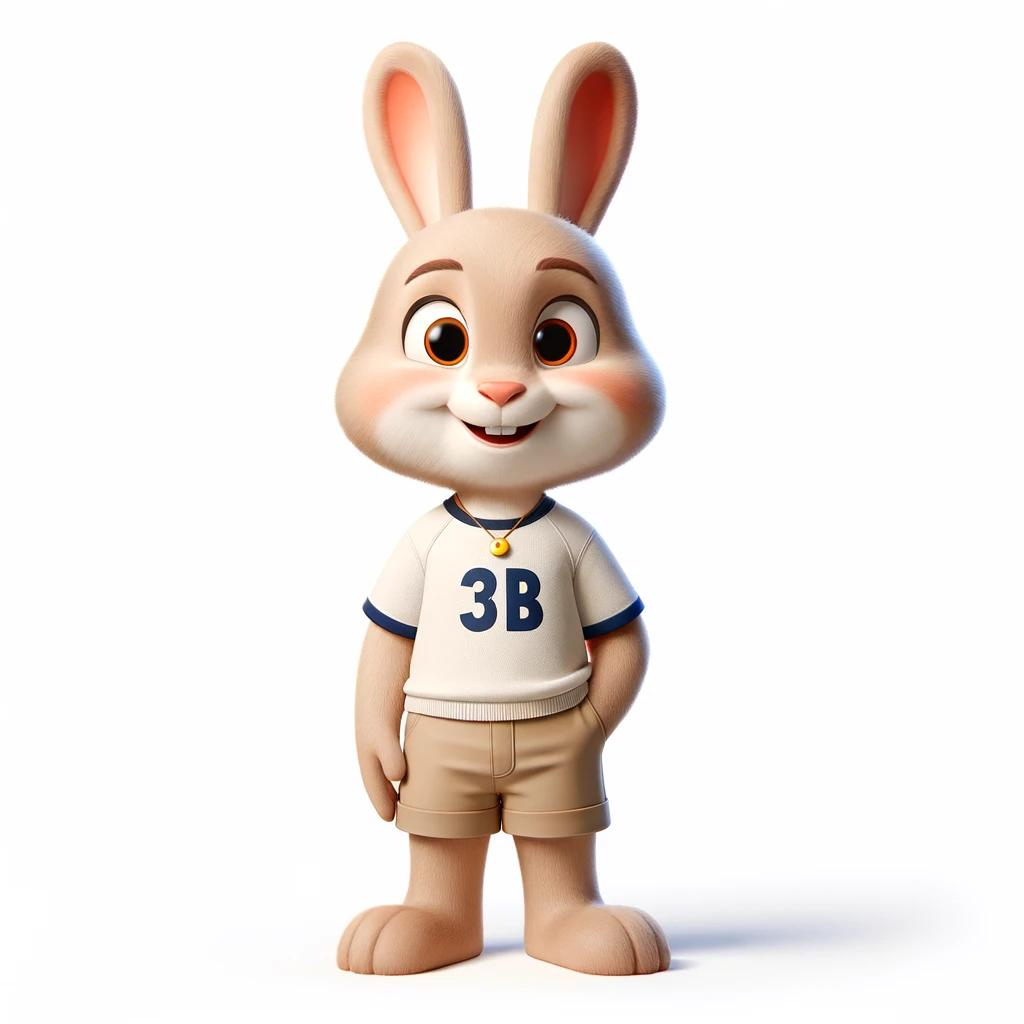
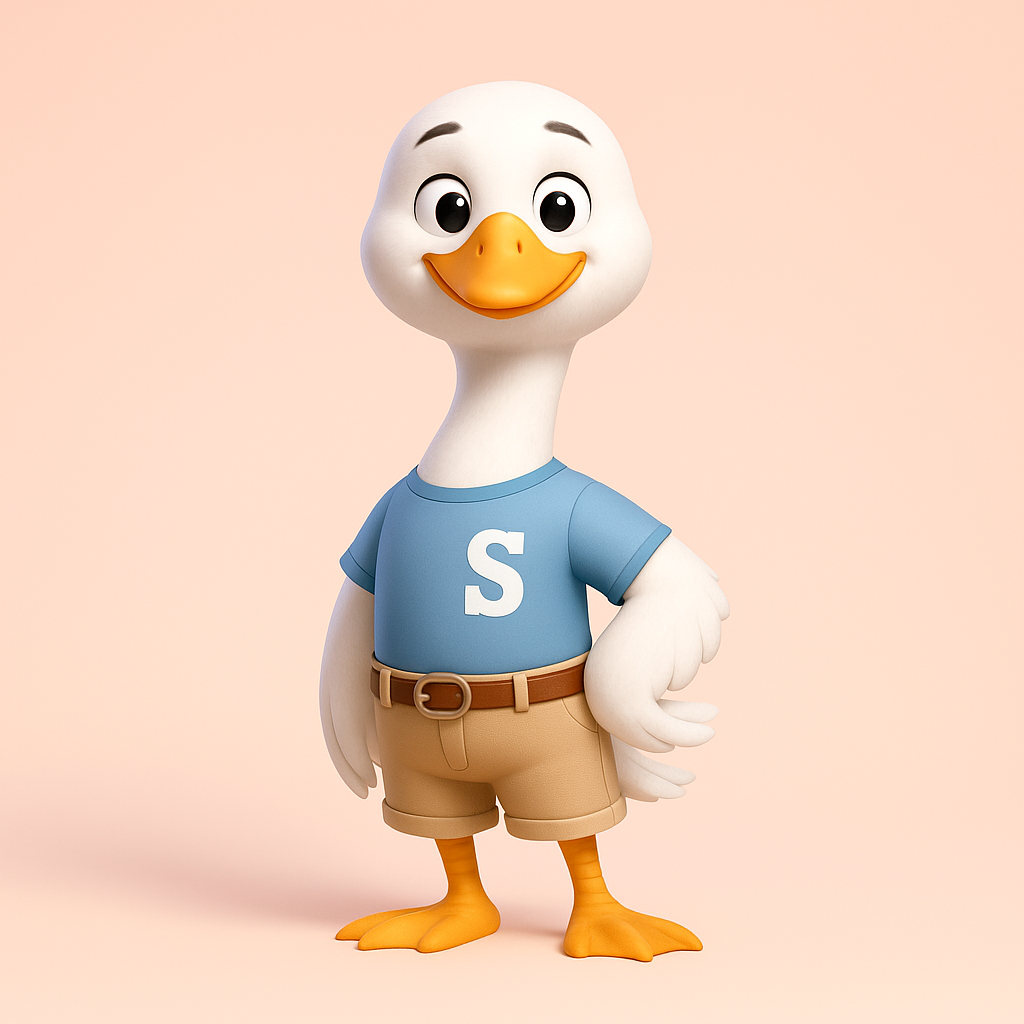
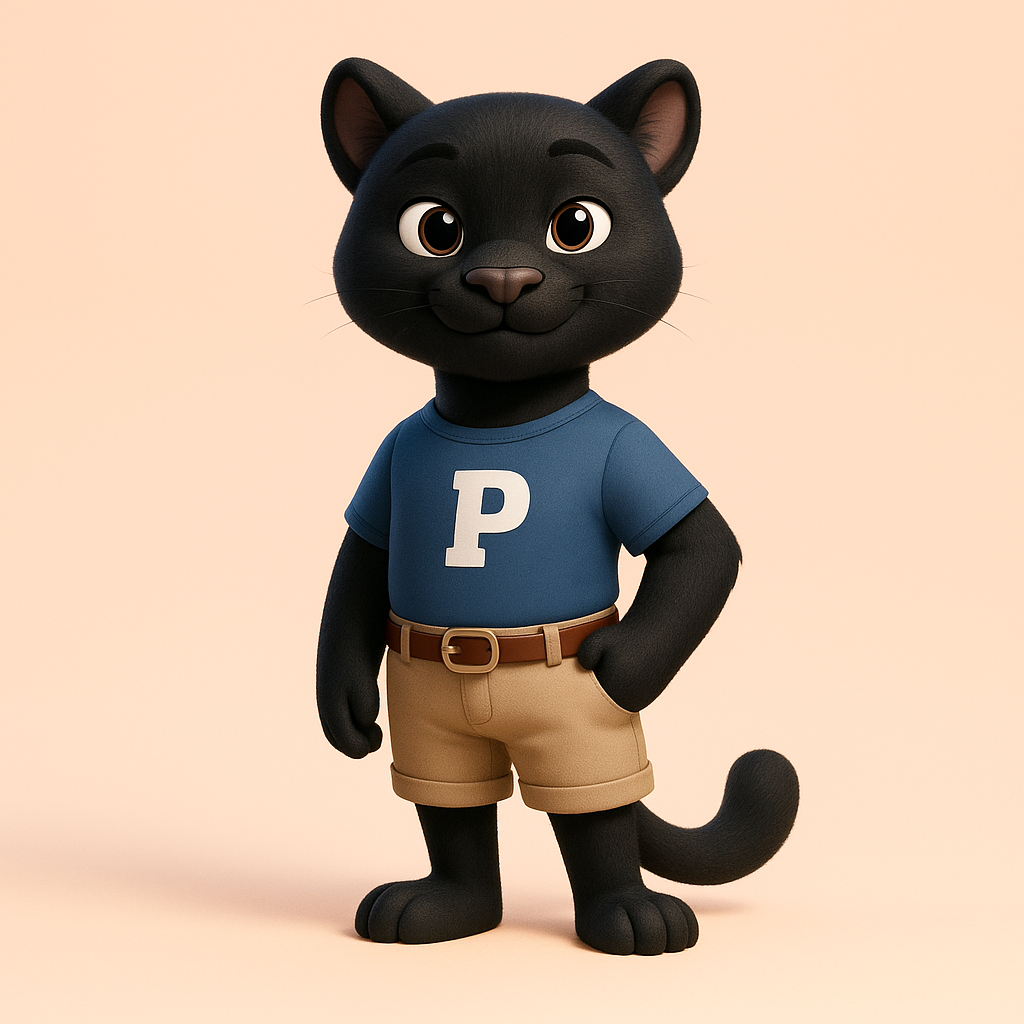
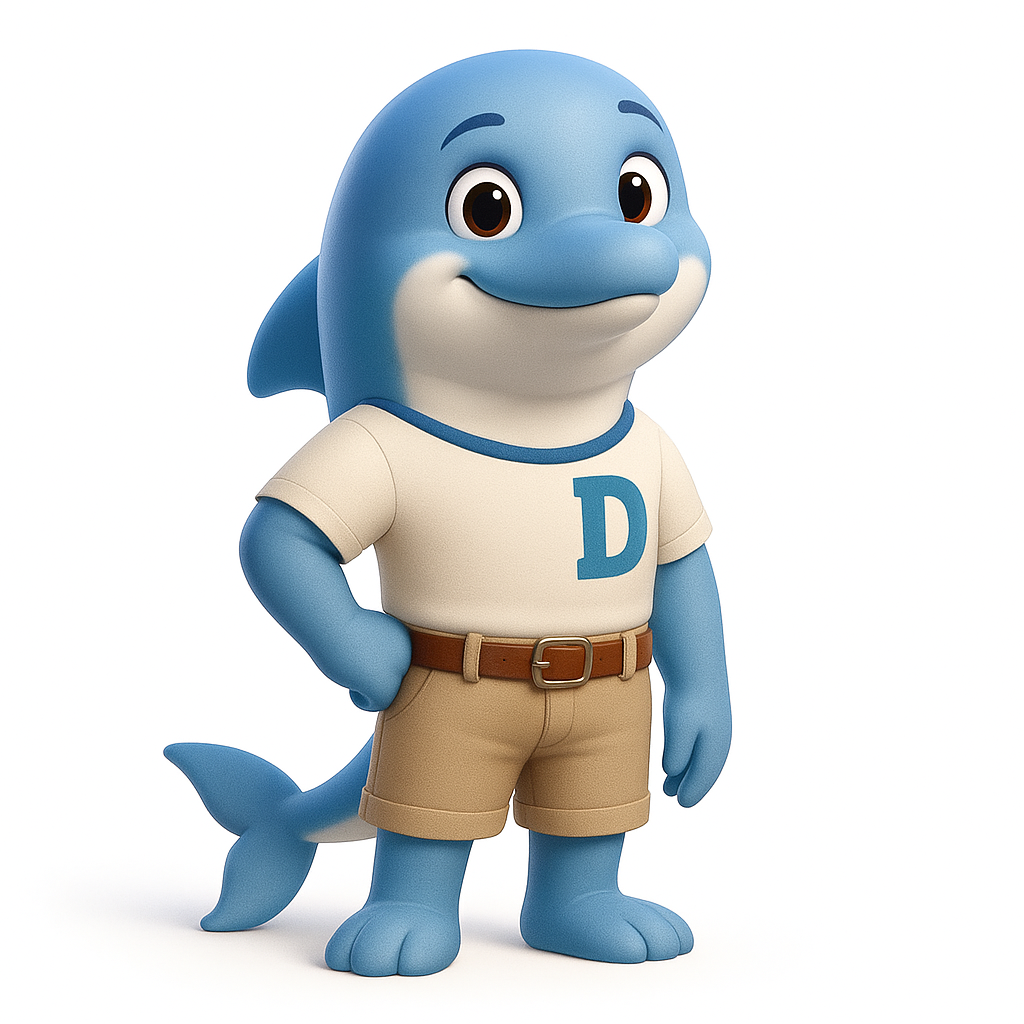
Sixteen classrooms, one school.
From EY1 through Grade 6, every classroom carries its own mascot, teachers, and chant. The mascot is the youngest piece of the Cosmos identity pyramid — the daily home a child belongs to before they belong to a house, a school, or a city.


Four houses, four stars.
Every Cosmonaut belongs to one of four bird-constellation houses — a second home inside the school that mixes ages and is led by student captains. Houses run inter-house quizzes, sports, arts, and service projects across the year.
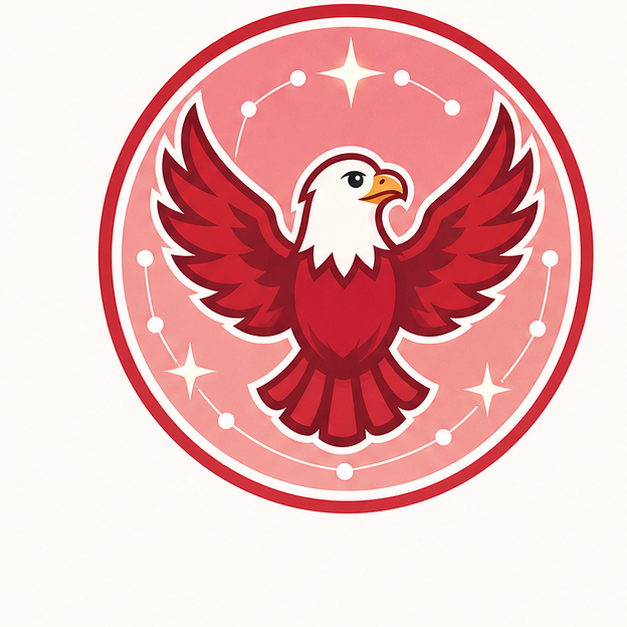
Aquila
The Eagle · AltairThe eagle sees farther and flies higher than any other bird. Vision, courage, ambition.
Cygnus
The Swan · DenebSwans fly in V-formation, taking turns to lead. Grace, transformation, collaboration.
Pavo
The Peacock · Peacock StarIndia’s national bird; displays openly and authentically. Confidence, identity, pride.
Tucana
The Toucan · Alpha TucanaeThe toucan’s large beak reaches fruit others cannot. Curiosity, resourcefulness, communication.
Captain (Grade 6) · Vice-Captain (Grade 5) · Prefects (G3–6) · Cadets (G1–2). Rubric-based selection with peer nominations and a moderation panel.
Sorting Ceremony · Sports Day · Cultural Competition · Community Service Day · the House Cup at the end of the year.
House Points are school-wide. S.T.A.R. Coins live at the class level — recognised separately, never folded into the house total.
Every child’s voice — heard, organised, and acted on.
Voices of Cosmos is the umbrella for student voice at Cosmos Primary — not a single survey but a system: three voices (Heart, Character, Mind), a five-level Ladder of Participation, and one universal operating protocol — V.O.I.C.E. — that closes the loop every time.
“How am I feeling here?”
“How are we doing together?”
“How is my learning going?”
One process. Every routine. Every time.
LEARNING AT THE HEART
Not a library. Not a lab. A multi-zonal community learning centre, open all day.Not a library. Not a lab. A multi-zonal community learning centre.
Open all day, every day — the building no child needs permission to use. The Learnarium runs on the S.T.A.R. expectations and is led by the Learning Experiences Curator, with zone leads who keep each corner surprising, safe and student-centred.
A personal reading log of 100 books a year — fiction, non-fiction, picture books, chapter books, poetry, plays. Tracked school-wide in a live bar-chart race and downloaded as a poster every term for families to keep.
A teacher who is always learning.
Every Cosmos educator has a current stage, a current step, and a clear path forward. Progression is tied to evidence of practice and aligned to Cambridge Standards — not years of service.
Learning the fundamentals
Developing Teacher · Aspiring LeaderNew educators master the Cambridge curriculum, our Whole School Programmes, and the Cosmos way of doing things.
Exploring different approaches
Emerging Teacher · Emerging LeaderEducators try different methods, observe colleagues and build the range that makes a teacher flexible.
Applying skills consistently
Proficient Teacher · Proficient LeaderPlanning, classroom management, assessment for/as/of learning become second nature.
Deepening expertise
Accomplished Teacher · Accomplished LeaderIntervention design, classroom coaching and reflection cycles sharpen. A trusted voice on pedagogy.
Empowering others to grow
Distinguished Teacher · Distinguished LeaderEducators coach peers, lead Impact Teams and shape school-wide direction.
Reshaping the profession
Master Teacher · Strategic LeaderResearch, theory-to-practice translation and policy design — the top of our profession.
Entry
The on-ramp. Coaching and structured PLD are heaviest here.
Core
The stage fully inhabited. Practice is consistent, independent, and Cambridge-aligned.
Plus
The stepping-stone — practice begins to show traits of the stage above.
Two tracks, one journey
From L to E every educator shares the same foundations. At A you and your manager agree: deepen classroom mastery, or take on leadership scope.
The track you pick at A is a direction, not a life sentence. Base pay stays with your stage; the TLR allowance adjusts with the role.
Master Teacher (Teaching) and Strategic Leader (Leadership) sit at the same height of the profession. One ceiling, two honest ways there, equal pay.
Who you’ll meet.
From the Trust that holds the school in stewardship, to the leaders who set the tone, to the year-group leads who hold the day — every adult at Cosmos is here for one reason: your child.
Lakshmikantha Educational Trust
The Trust holds Cosmos Primary in stewardship — setting direction, safeguarding values, and ensuring every decision returns to the child. The four Managing Trustees serve as the Board of Directors of the school.


Every child known by name.A teacher for every
moment of the day.
Every child safe. Every voice heard.
Safety is the first job of any school. At Cosmos it is taught, tracked, and refreshed every term — with named adults, written policies, and the simple rule that any worry can be raised with any member of staff.
A named adult, every day.
The Designated Safeguarding Lead (DSL) and Deputy DSL are on campus every school day. Their contact details live in every classroom and on the family app.
A 5-level Ladder of student voice.
From Pulse Surveys to House Councils to the V.O.I.C.E. protocol — children have age-appropriate channels to flag what hurts, what helps, and what should change.
Equity-centred support, no labels.
Our MTSS-replacement model: three zones of universal, focused and intensive support — with no deficit language. Children get more, not less, when they need it.
Inner skills, taught explicitly.
Friendship, families, online safety, body, feelings, money, growing up — taught explicitly through the L.I.F.E programme, built on Twinkl Life units and woven into A.I.M.
S.T.A.R. Coins — positive reinforcement at a 4:1 ratio. We catch children doing right, four times as often as we catch what’s wrong.
Filtered network, age-appropriate device use, and quarterly digital-citizenship lessons in every grade — taught, not bolted on.
Trained first-aiders in every block, a school nurse on call, and clear protocols for allergies, asthma and emergency contact.
Plain-language anti-bullying policy with restorative practice baked in — reviewed yearly with student and parent input.
One simple route.
- 01Notice it.Any worry — academic, social, physical, emotional. Any adult is a safe adult.
- 02Tell someone.Class teacher, YGL, Principal, or DSL. Or message via Cosmos Nurture.
- 03It’s logged.Every concern is recorded in our safeguarding log within 24 hours.
- 04You’re heard back.The DSL closes the loop with the child and family — every time.
Educated · Engaged · Empowered.
Every parent and guardian at Cosmos Primary is a member of the Nurture Club — a year-round partnership programme that brings you into the loop of every child’s academic, emotional, and social journey.
Once-a-term workshops · open to every family.
A school operating system, for every role.
Cosmos doesn’t buy off-the-shelf — we build. Cosmos One is the shared engine; five tenant apps sit on top of it — one for every person in the school, from a four-year-old to a board director. Built in-house. Open to families. Free of advertising.
Pulse, People, Plans, Cycle, Me — wellbeing dashboards, observations, coaching.
Today, Classes, Apps, Plan and Me — every teacher’s day in one place.
A.I.M. check-ins, teaching tools, Heart-Character-Mind games — and a 100-book library card.
The home app for parents — wellbeing, photos, messages, attendance, fees.
The school’s OTT — 500+ teaching films, performances, assemblies, story-times.
Cosmos One is engineered by the Cosmos team — every page, every API, every dashboard. Schools see the source code; nothing is locked in.
Plans, assessments and reports map to Cambridge benchmarks. No worksheet exists in the app that hasn’t been reviewed by a teacher.
Child data stays on school-owned infrastructure. No third-party advertising, no resale, no surprise integrations.
A real working system, not a deck.
From Roots to Wings. Stride to Sway. Muse to Mind.
Cosmos After School Programs are small-group cycles that extend the school day — catch-up for mid-year joiners, enrichment for the curious, and access for children from other schools. Pilot runs Term 3 of 2025–26; the full programme opens 2026–27.
- R.E.A.D phonics catch-up
- M.A.S.T.E.R maths foundations
- Handwriting remediation
- Reading fluency bootcamp
- Times-tables mastery
- Spelling intervention
- Creative writing workshop
- Junior journalists
- Book club & literature circles
- Maths Olympiad prep
- Science Explorers
- Debate & public speaking
- Research & inquiry projects
- Philosophy for Children
- Football academy
- Cricket coaching
- Basketball & badminton
- Table tennis · athletics
- Throwball & volleyball
- Kabaddi
- Martial arts (Karate, Taekwondo)
- Bharatanatyam · Kuchipudi
- Western dance / hip-hop
- Yoga for Kids
- Mindfulness & meditation
- Gymnastics & flexibility
- Aerobics & fitness fun
- Zumba Kids
- Balance & coordination
- Keyboard · piano basics
- Guitar · Carnatic vocal · choir
- Percussion (tabla, drums)
- Drama & theatre arts
- Storytelling & puppetry
- Drawing & painting
- Clay & sculpture
- Craft, origami & photography
- Coding with Scratch
- Python for Kids
- Robotics club
- Chess academy
- LEGO engineering
- Electronics & circuits
- 3D design & printing
- Science experiments · Junior Inventors
A year, in three honest terms.
52 weeks total — 7 staff-planning weeks (Term 0) before children arrive, then 45 children-weeks across three terms. Two vacations (Dussehra · Sankranthi) sit inside the year; Summer Vacation closes it.
Four kinds of moments fill the year.
Annual Calendar
Religious and national holidays plus assessment windows — Bakri Eid, Independence Day, Diwali, Christmas, Sankranthi, Republic Day, Holi, Ugadi.
Whole-School Traditions
Cosmos rituals — Welcome Back Day, Colour Days, Charity Week, Children’s Day Carnival, Annual Day, Nights at the Learnarium, Field Trips, Graduation.
Awareness & Advocacy Days
Global / Indian awareness moments — Yoga Day, World Music Day, World Mental Health Day, Read Aloud Day, Earth Day, Neurodiversity Week.
Parent Engagement
PTMs, Tea-with-SLT, Nurture Club orientations across Academic, Culture and Community domains — 49 family events across the year.
Three horizons. One Cosmos.
Cosmos Secondary will not be a single-curriculum school. We are building a multi-pathway K–12 ecosystem where every family can choose the pathway that best fits their child — Indian Board, Cambridge International, or (later) International Baccalaureate — all within the same Cosmos brand.
Build the foundation as a registered Cambridge International School (No. IA763). Establish pedagogy expertise. Trusted brand for families.
Cosmos Secondary opens on a separate campus. Dual pathways from day one — Indian Board and International. First Grade 12 cohort graduates 2031–32.
A premium IB Primary Years Programme wing at the Secondary campus, with future MYP / DP optionality (2035+).
Family choice from Grade 7.
- G7–8 · Foundation
- G9–10 · Board Prep · Grade 10 Boards
- G11–12 · Senior Secondary · Grade 12 Boards
Indian universities · JEE · NEET · CUET · domestic pathways.
- G7–9 · Lower Secondary · Checkpoint
- G9–10 · Cambridge IGCSE
- G11–12 · Cambridge AS & A Level
Global universities (UK · US · Canada · Australia) + 50% to Indian universities.
How to join us.
Joining Cosmos is a conversation, not a form. We start with a phone call, take you round the school, and only then talk about admission — because we want to know you before you know us.
A quick call or email tells us a little about your child and what you're looking for. We'll send you a short prospectus pack within the same week.
You and your child walk the school with us during a working morning. You'll meet a class, see the Learnarium, and ask anything.
A short written application, a friendly interaction with your child, and a meeting with the Principal of Academics. Decisions in two weeks.
- Birth certificate & Aadhaar card
- Two passport-size photographs
- Previous school report card (if applicable)
- Vaccination record
- Parent KYC: Aadhaar & address proof
The honest details.
We believe transparency builds trust. Your child’s complete fee journey from Nursery through Grade 6 is shared with you at the time of admission — in writing, with no surprises and no compounding. The fees we commit to at admission do not change for your child.
One formula. One letter. One promise.
For every second child from the same family at Cosmos Primary. The second sibling — whoever joined later — pays 8% less on their annual tuition, for every year both siblings are with us.
When you refer a new family and they complete admission, a fee credit is applied to your next billing cycle and the new family receives a welcome bonus on their first term’s fees. No cap on referrals.
Every Cosmos educator and support staff member receives a 30% concession on tuition for their own child. Caring for our team’s families is part of caring for the team.
Pendurthi, Visakhapatnam.
Cosmos Primary sits in Pendurthi, Visakhapatnam — a calm, residential pocket of the city, twenty minutes from the beach and a short drive from the National Highway. The building is purpose-fitted for primary learning: bright, quiet, sized for small classes.
A short walk tells the rest of the story.
The best way to understand any school is to walk it. Book an open-house slot, sit in on a lesson, meet the Principal, and ask anything.
Life is Learning.
cosmosprimary.com